

You've probably heard about the increasing role of cryptocurrencies in illicit activities. Recently, the crypto consortium T3 FCU played a significant part in helping Spanish authorities freeze $26.4 million tied to a crime syndicate made up of Ukrainian nationals. This isn't just an isolated incident; it's part of a larger trend highlighting the urgent need for international cooperation and regulatory measures. What does this mean for the future of cryptocurrency and crime?

In a significant crackdown on organized crime, a crypto consortium known as T3 FCU has helped Spanish authorities freeze $26.4 million linked to a crime syndicate predominantly made up of Ukrainian nationals. This operation showcases the increasing importance of cryptocurrency in criminal activities and the necessity for stringent regulations. With T3 FCU's assistance, authorities haven't only frozen this substantial amount but have also managed to freeze a total of $126 million connected to organized crime activities.
The crime syndicate involved isn't solely Ukrainian; it comprises individuals from various nationalities, including Armenians, Azerbaijanis, and Kazakhs. This diverse composition highlights the global nature of organized crime, making international cooperation essential in combating these networks. You can see how crucial it's for agencies across borders to work together, pooling resources and intelligence to take down these operations effectively.
Thanks to the collaboration with T3 FCU, Spanish authorities were able to execute a well-coordinated effort resulting in the arrest of 23 individuals tied to the syndicate. These arrests, along with the financial impact of the frozen assets, serve as a strong deterrent to others involved in similar criminal activities. When criminals witness the real consequences of their actions, it often dissuades them from continuing down that path.
This operation not only underlines the role cryptocurrencies play in organized crime but also highlights the effectiveness of modern law enforcement strategies against financial crimes. The financial losses inflicted on the syndicate are significant, disrupting their operations and sending a clear message that such activities won't go unchecked. By targeting these financial flows, authorities contribute to broader efforts aimed at maintaining global financial stability.
Moreover, the success of this operation sets a precedent for future collaborations between law enforcement and crypto consortia like T3 FCU. It illustrates how technology can assist in identifying and mitigating the risks associated with cryptocurrency misuse. As the landscape of organized crime evolves, so too must the strategies and tools used to combat it.

Trezor Safe 7 - Crypto Hardware Wallet with Bluetooth, Color Touchscreen, Transparent Secure Element, Quantum-Ready (Charcoal Black)
Dual-chip architecture for maximum protection: The next-gen, fully auditable TROPIC01 chip works alongside a certified EAL6+ Secure Element—completely...
As an affiliate, we earn on qualifying purchases.
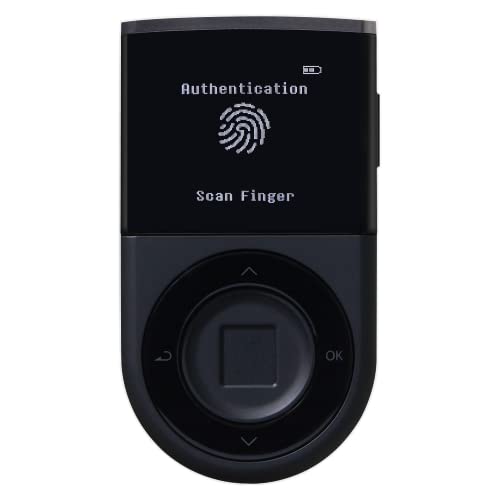
D'CENT Hardware Wallet | Biometric Cold Storage, Bluetooth, Multi-Crypto
EAL5+ CERTIFIED SECURE ELEMENT + FINGERPRINT PROTECTION — Your private keys stay encrypted offline on a certified EAL5+...
As an affiliate, we earn on qualifying purchases.

TANGEM Crypto Wallet Pack of 3 – Trusted Cold Storage Hardware Wallet for Bitcoin, Ethereum, NFTs & Altcoins – 100% Offline Crypto Cold Wallet
Proven security at scale: Over 9 years and millions of cards issued with no known remote hacks, while...
As an affiliate, we earn on qualifying purchases.

Trezor Safe 3 - Passphrase & Secure Element Protected Crypto Hardware Wallet - Buy, Store, Manage Digital Assets Simply and Safely (Solar Gold)
Unparalleled Security: Protect your assets NDA-free EAL 6+ Secure Element, offering robust defense and complete transparency
As an affiliate, we earn on qualifying purchases.