A Bitcoin miner achieved a rare victory, overcoming the 1 in 1.3 million odds to mine a Bitcoin block successfully. The endeavor of mining Bitcoin is notoriously expensive and intensely competitive. However, the reward differs among miners, with the primary goal being the acquisition of Bitcoin blocks. The Bitcoin network makes adjustments so that, on average, BTC blocks are mined every 10 minutes, a rate that matches the current worldwide hashing power of 25 trillion hashes per second. As a result, solo miners face a daunting one-in-1.3 million chance of discovering a new block, positioning them at an advantage over pool miners who share their profits within a larger cohort.
Solo Mining 260k USD with 0.0000007% Bitcoin Network’s Hash Rate
When the odds were stacked against them, the miner won the bitcoin mining lottery. The hash rate of the solo miners amounts to just 0.0000007% of the entire Bitcoin network’s hash rate. Bitcoin mining is the process by which miners compete against each other to be the first to verify a hash that is below the network’s threshold.
The more hashes a miner can complete each second, the more likely they are to discover a valid block and broadcast it to the network, which is why they can test many possibilities each second. Even tiny miners can win the jackpot if the hash function generates a wide range of hashes dependent on even modest changes. Miners frequently modify the nonce and the transactions included in an attempt to discover the ideal blend of inputs that will result in a genuine hash.
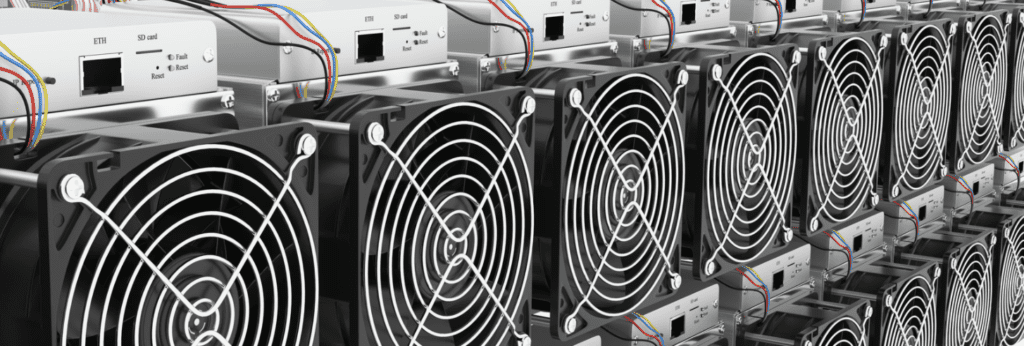
Solo Bitcoin Miner 6.25 BTC Mines Reward
A Bitcoin solo miner with only 120 trillion hashes per second (TH/s) found a new Bitcoin block – beating the one-in-1.3 million odds! This goes to show that solo Bitcoin mining is still a viable option for those willing to put in the extra work, even when the global hashing power is as high as it is now.
After successfully mining a new block on the Bitcoin blockchain, an individual miner made over $260K in wages. The fee is paid by the miner in order for a block to be accepted into the pool’s blockchain. The miner must pay a 2% fee to the pool, which equals BTC 0.125 or about USD 5,337.

Dr. Con Kolivas tweeted “Congratulations to a bitcoin miner with only 126TH who solved a solo block on http://solo.ckpool.org see Block“

NerdQaxe++ Silent Bitcoin Miner – 6 TH/s @ 100W | 4× BM1370 ASIC Chips | Wi-Fi | AxeOS Open-Source | Includes 12.4V 10A Power Supply & Metal Stand
6 TH/s Hashrate at 100W – 4× BM1370 ASIC chips deliver ~16 J/TH efficiency for compact 24/7 home…
As an affiliate, we earn on qualifying purchases.
As an affiliate, we earn on qualifying purchases.
6.25 BTC Reward for a Little Mining FArm
Does this mean that Bitcoin solo miners have a chance of finding new Bitcoin blocks even when the global hashing power is as high as it is now?
The answer to this question is a clear no or maybe yes, Bitcoin solo miners can still find new Bitcoin blocks when the global hashing power is high. However, the chances of finding a new Bitcoin block are lower when the global hashing power is high. This is because there are more Bitcoin miners competing for blocks when the hashing power is high. Therefore, it takes longer for Bitcoin solo miners to find a new Bitcoin block when the hashing power is high.
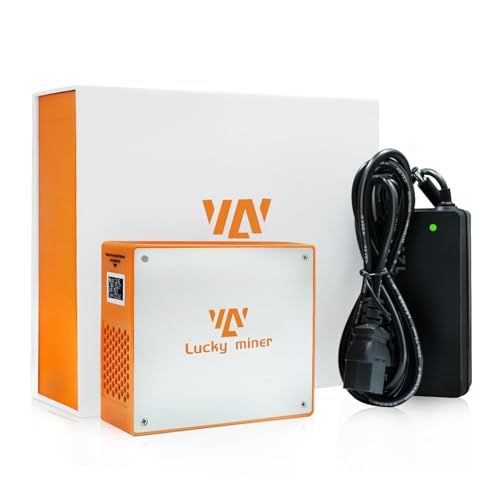
Litecoin Miner Dogecoin Solo Miner 11MH/S Lucky Miner LG07 Lottery Crypto Miner Bellscoin 2.4G/Hotspot Vergecoin Scrypt BM1366 Asic Chip
Support Multiple Cryptocurrency: The mining machine supports multiple cryptocurrencies that using the Scrypt algorithm, including LTC, DOGE, BELLS,…
As an affiliate, we earn on qualifying purchases.
As an affiliate, we earn on qualifying purchases.
Conclusion – Small Bitcoin Miner Beats the Odds
When the odds were stacked against them, the miner won the Bitcoin Mining lottery. The hash rate of the solo miners amounts to just 0.0000007% of the entire Bitcoin network’s hash rate. Bitcoin mining is the process by which miners compete against each other to be the first to verify a hash that is below the network’s threshold.
The more hashes a miner can complete each second, the more likely they are to discover a valid block and broadcast it to the network, which is why they can test many possibilities each second. Even tiny miners can win the jackpot if the hash function generates a wide range of hashes dependent on even modest changes. Miners frequently modify the nonce and the transactions included in an attempt to discover the ideal blend of inputs that will result in a genuine hash.

A solo miner with only 120 trillion hashes per second (TH/s) found a new Bitcoin block – beating the one-in-one-point-three-million odds! This goes to show that solo Bitcoin mining is still a viable option for those willing to put in the extra work, even when the global hashing power is as high as it is now. While the chances of striking gold in the vast Bitcoin landscape may seem slim, this remarkable feat highlights the unpredictability of mining rewards and the tenacity of dedicated miners. In addition to more traditional mining setups, those looking to optimize their profitability often turn to graphics cards for additional power; recent findings in the amd rx 6600 xt hashrate analysis indicate that this GPU can deliver impressive performance for those experimenting with solo mining strategies. This combination of perseverance and the right technology may pave the way for future successes, even amidst fierce competition.

2026 Upgrade Bitaxes 602/601 1.7~1.8TH/s Bitcoins Miner BM1370 35W Low Power SHA256 ASIC BTC Silent Home Mining Machine
Elite Hashrate Performance: Achieve rapid blockchain verification with a stable 1.7~1.8 TH/s hashrate, ensuring you maximize your chances…
As an affiliate, we earn on qualifying purchases.
As an affiliate, we earn on qualifying purchases.
2026 Upgrade Bitaxes 602/601 1.7~1.8TH/s Bitcoins Miner BM1370 35W Low Power SHA256 ASIC BTC Silent Home Mining Machine
Elite Hashrate Performance: Achieve rapid blockchain verification with a stable 1.7~1.8 TH/s hashrate, ensuring you maximize your chances…
As an affiliate, we earn on qualifying purchases.
As an affiliate, we earn on qualifying purchases.