
🔍 Read the full analysis: 15 AI-Enhanced Office Chairs That Promote Better Posture In 2026 on ThorstenMeyerAI.com
TL;DR
In 2026, fifteen AI-enhanced office chairs have been launched, offering advanced ergonomic features to promote better posture and reduce discomfort during long work hours. These chairs incorporate smart adjustments and health monitoring, marking a significant step in ergonomic technology.
Fifteen new AI-enhanced office chairs have been introduced in 2026, offering advanced features designed to promote better posture and reduce discomfort during prolonged sitting. For more details, see the original analysis of top ergonomic chairs. These chairs incorporate smart sensors and automatic adjustments, reflecting a significant technological shift in ergonomic office furniture. The launch is notable for its focus on integrating artificial intelligence into everyday work environments, aiming to improve worker health and productivity.
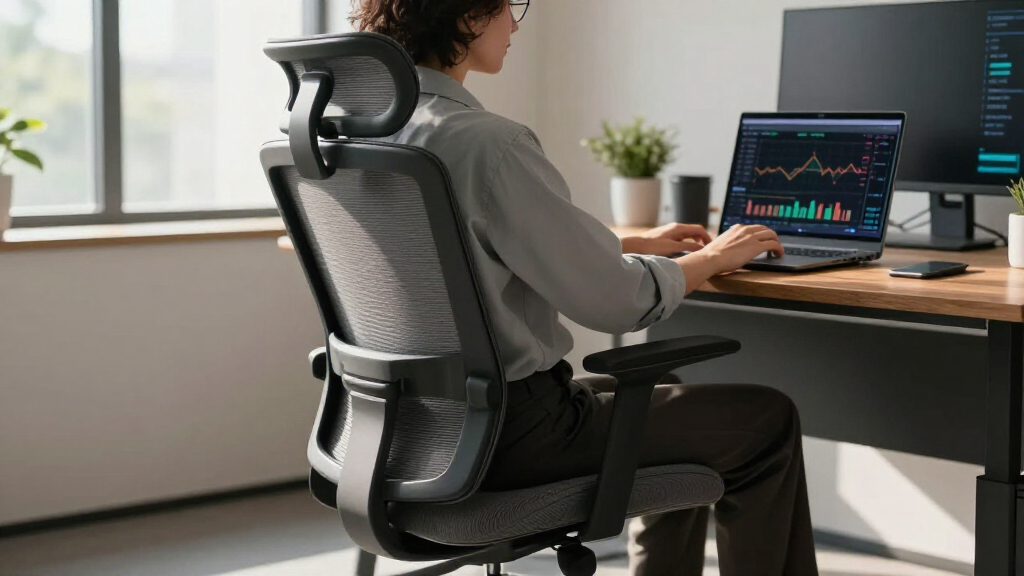
The chairs, developed by leading ergonomic and tech companies, feature embedded sensors that monitor user posture and movement in real-time. Learn more about ergonomic design principles in our guide on weighted blankets for anxiety. Using this data, the chairs automatically adjust lumbar support, seat height, and armrest positions to optimize comfort and spinal alignment. Several models also include health tracking functionalities, providing users with feedback and recommendations via companion apps. Market analysts suggest these innovations could reduce common issues like back pain and musculoskeletal disorders associated with sedentary work. This development highlights the importance of ergonomic solutions, as detailed in the original analysis.
Among the most prominent models is the IntelliPosture Chair, which uses AI algorithms to learn individual user preferences over time, providing personalized adjustments. The SmartBalance Chair offers real-time posture correction alerts, encouraging users to maintain proper ergonomics. Industry insiders note that these chairs are designed to cater to diverse body types and work environments, with adjustable features tailored for both small and large users. Price points vary, with premium models reaching upwards of $1,200, reflecting their advanced technological features.
Impact of AI-Enhanced Chairs on Workplace Ergonomics
The introduction of AI-augmented office chairs in 2026 signifies a major advancement in ergonomic technology, with potential benefits including improved posture, reduced work-related musculoskeletal issues, and increased productivity. As these chairs adapt dynamically to user needs, they could decrease the reliance on traditional ergonomic adjustments and manual interventions, making proper posture easier to maintain throughout the workday. This development could influence workplace health standards and reduce healthcare costs associated with chronic back pain and related conditions.
As an affiliate, we earn on qualifying purchases.
Evolution of Ergonomic Office Furniture Leading to AI Integration
Over the past decade, ergonomic office chairs have seen continuous improvements, emphasizing adjustability, material quality, and durability. Companies like Misolant, SIHOO, and FLEXISPOT have led the market with models offering customizable lumbar support, breathable mesh, and high weight capacities. The integration of AI into office furniture represents a new phase, driven by advances in sensor technology, machine learning, and health monitoring. Previous efforts focused on manual adjustments, but the current trend aims for automatic, data-driven personalization. The 2026 rollout of AI-enhanced chairs builds on this trajectory, reflecting a broader push toward smart, health-focused work environments.
As an affiliate, we earn on qualifying purchases.
Unanswered Questions About Long-Term Effectiveness
While early feedback suggests these chairs improve comfort and posture, it remains unclear how they perform over extended periods and in diverse real-world settings. Long-term studies and user data are still emerging, and questions about durability, data privacy, and cost-effectiveness are yet to be fully addressed. Additionally, the extent to which AI adjustments can replace or supplement manual ergonomic interventions remains under investigation.
adjustable lumbar support office chair
As an affiliate, we earn on qualifying purchases.
As an affiliate, we earn on qualifying purchases.
Future Developments and Market Adoption Trends
Manufacturers plan to refine AI algorithms based on user feedback and expand features such as integration with health apps and workplace wellness programs. Market adoption is expected to grow as companies recognize the benefits of reducing employee discomfort and related health costs. Industry analysts anticipate that AI-powered ergonomic furniture will become standard in corporate offices and home workspaces within the next few years, with ongoing innovations improving personalization and affordability.
As an affiliate, we earn on qualifying purchases.
Key Questions
How do AI-enhanced office chairs improve posture?
They use embedded sensors and AI algorithms to monitor user posture and automatically adjust support features like lumbar support, seat height, and armrests, promoting proper spinal alignment and reducing strain.
Are these AI chairs suitable for all body types?
Most models are designed with adjustable features to accommodate a range of body sizes and shapes, but users should check specific product specifications to ensure proper fit and support.
What is the cost range of these AI-enhanced chairs?
Prices vary from around $500 for basic models to over $1,200 for premium options with advanced AI features and health tracking capabilities.
Will AI chairs eliminate the need for manual ergonomic adjustments?
While they significantly reduce the need for manual adjustments by automatically adapting to user posture, occasional manual fine-tuning may still be necessary for optimal comfort.
How secure is the data collected by these AI chairs?
Manufacturers emphasize data privacy and security, but users should review privacy policies and ensure data is encrypted and used responsibly.
Source: ThorstenMeyerAI.com