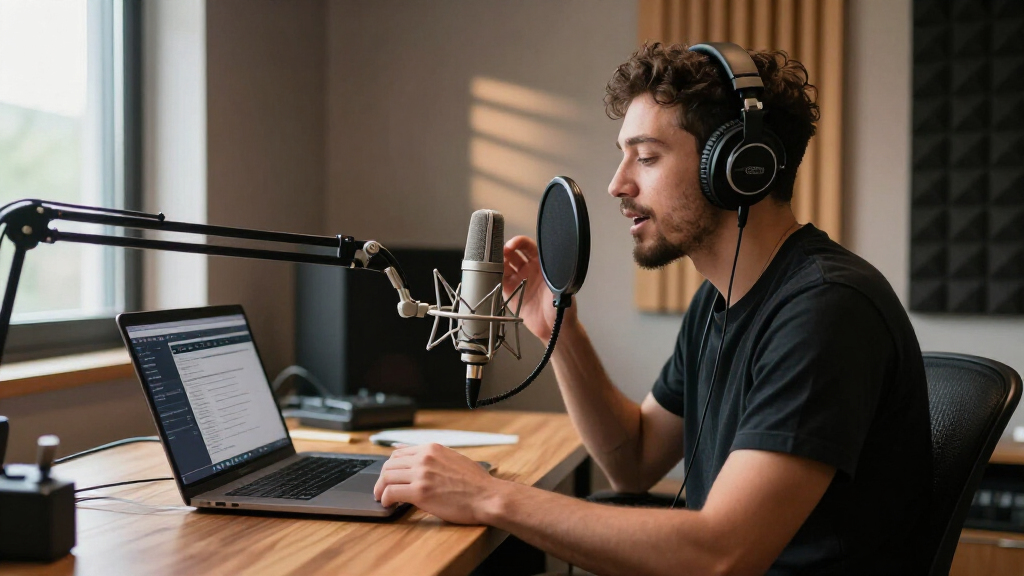

TL;DR

Get hardware and tech essentials delivered free — and shop member deals
- Fast, free delivery on millions of items
- Access to Prime Big Deal Days deals on October 6–7
- Prime Video, Amazon Music and more included
A licensing and approval hub for voice actors’ AI voice clones is in testing, aiming to simplify project licensing, enforce terms, and track payments. This development responds to the rising commercial use of synthetic voices.
A new licensing and approval platform for voice actors’ AI voice clones is in the pilot testing stage, aiming to provide a structured workflow for licensing, project approval, and payment tracking. This initiative responds to growing commercial use of synthetic voices and recent legal and union attention on consent and compensation, offering a potential solution to industry challenges.
The platform, developed by an industry-focused team, allows voice actors to create license listings that specify allowed use cases, restricted categories, and per-project rates. Buyers can submit a project request with a simple approval or rejection process, which is logged with detailed payment terms. This system aims to replace ad hoc email negotiations with an auditable, enforceable licensing workflow.
According to sources involved in the project, the testing involves recruiting ten voice actors with existing AI clones. They will set licensing terms and route five real project requests through the approval flow to evaluate whether the system encourages licensing and payment compliance. The platform intends to generate revenue through a percentage commission on each approved licensing transaction.
Potential Industry Shift Toward Structured Licensing
This development could significantly impact the voice acting industry by establishing a standardized, transparent licensing process for AI voice clones. It addresses legal concerns about consent, scope, and fair compensation, which are increasingly urgent as synthetic voices become more commercially prevalent. If successful, it could set industry standards and create a more predictable revenue model for voice actors, while reducing disputes over usage rights.AI voice cloning licensing platform
As an affiliate, we earn on qualifying purchases.
As an affiliate, we earn on qualifying purchases.
Growing Commercial Use of AI Voice Cloning and Legal Attention
AI voice cloning technology has advanced rapidly, making synthetic voices commercially viable across various sectors, including advertising, entertainment, and customer service. Recent union statements and legal discussions have emphasized the importance of obtaining explicit consent from voice actors and ensuring fair compensation. Currently, licensing is often informal, with no standardized process, leading to potential disputes and lack of enforceability. The proposed platform aims to address these issues by providing a formalized, scalable licensing solution tailored to the industry’s needs.voice actor licensing management software
As an affiliate, we earn on qualifying purchases.
As an affiliate, we earn on qualifying purchases.
Uncertainties About Adoption and Legal Frameworks
It is not yet clear how widely this licensing system will be adopted by the industry or how it will interface with existing legal frameworks. The effectiveness of the approval process and its ability to prevent misuse or unauthorized use of AI voice clones remains to be seen. Additionally, regulatory developments could influence the platform’s future viability and scope.
synthetic voice rights management tools
As an affiliate, we earn on qualifying purchases.
As an affiliate, we earn on qualifying purchases.
Next Steps Include Broader Testing and Industry Feedback
The team plans to expand testing by recruiting more voice actors and real project requests to evaluate scalability and user experience. Feedback from industry stakeholders, including unions and legal experts, will inform further development. If the pilot proves successful, a wider rollout could follow, potentially setting a new standard for AI voice licensing.
AI voice clone payment tracking system
As an affiliate, we earn on qualifying purchases.
As an affiliate, we earn on qualifying purchases.
Key Questions
How does the licensing platform improve current voice clone licensing?
The platform provides a structured workflow for setting licensing terms, approving projects, and tracking payments, replacing informal email negotiations with an auditable, enforceable system.
Who can use this licensing system?
It is designed primarily for professional voice actors who have AI clones of their voices and want to manage licensing more effectively.
Will this system prevent unauthorized use of AI voice clones?
The approval and logging process aims to enforce licensing terms, but its effectiveness against unauthorized use depends on industry adoption and legal enforcement.
What are the main challenges in implementing this licensing approach?
Potential challenges include industry-wide adoption, integration with existing legal frameworks, and ensuring the system is user-friendly for voice actors and clients alike.
When might this licensing system become widely available?
If pilot testing proves successful, a broader rollout could occur within the next year, but timing depends on industry feedback and regulatory developments.
Source: IdeaNavigator AI
Fall Picks
fall essentials
As an affiliate, we earn on qualifying purchases.