
📊 Full opportunity report: 14 Best AI Automation Software Tools for Smarter Workflows in 2026 on ThorstenMeyerAI.com — validation score, market gap, and execution plan.
TL;DR
In 2026, a curated list of 14 AI automation tools offers businesses and developers advanced options for streamlining workflows. The top pick is OpenCode Custom Workflows, emphasizing end-to-end automation, with others tailored for specific environments and skill levels.
In 2026, the landscape of AI automation software has expanded to include 14 leading tools designed to improve workflow efficiency across industries. These tools range from agent orchestration platforms to specialized coding assistants, offering options for both technical and non-technical users. The top-ranked tool, OpenCode Custom Workflows, stands out for its focus on integrating end-to-end automation, making it highly relevant for organizations seeking comprehensive process automation.
The list is compiled based on criteria such as workflow coverage, usability, integration capabilities, and target audience. OpenCode Custom Workflows ranks highest due to its ability to orchestrate multiple agents in complex tasks, aligning closely with the core promise of AI-driven automation. Claude Code Advanced is recommended for experienced developers, offering deep coding capabilities, while The Complete Microsoft 365 and Copilot Handbook – Volume II caters to organizations already invested in Microsoft’s ecosystem.
Other notable tools include 40 Python Programming Projects for practical coding practice and specialized guides for Excel, AutoCAD, email, and testing, which are more suited to specific workflows. The ranking considers factors such as ease of use, customization, and scope of application, with broader tools favored for their ability to support multi-step, cross-application automation.
Implications of the 2026 AI Automation Tool Rankings
This curated list highlights how AI automation tools are transforming productivity across sectors. Organizations can now choose tailored solutions that match their technical capabilities and workflow needs, reducing manual effort and increasing efficiency. The emphasis on comprehensive agent orchestration reflects a shift toward more integrated, scalable automation systems, which can support complex, multi-application processes. For developers and business users alike, these tools signal a move toward more accessible yet powerful automation options, shaping future workplace technology adoption.

AI in Property Management: A Practical, Unboring Look at Artificial Intelligence in the Multifamily Industry
As an affiliate, we earn on qualifying purchases.
As an affiliate, we earn on qualifying purchases.
Evolution of AI Automation in the Workplace
Over the past few years, AI automation has matured from simple task automation to complex, multi-system orchestration. In 2026, the market features a diverse range of tools, from no-code platforms to advanced coding assistants, driven by the need for more flexible and scalable workflows. Leading resources like the OpenCode guide and Microsoft’s Copilot ecosystem have set benchmarks, influencing product development and user expectations. Prior to this, earlier tools focused on isolated tasks; now, the focus is on integrated, end-to-end solutions capable of handling complex business processes seamlessly.
“The focus on agent orchestration in 2026 reflects a broader shift toward comprehensive automation that supports multi-step, cross-application workflows.”
— Thorsten Meyer, AI Workflow Expert

AI Coding with VS Code: Build Full-Stack Apps Faster Using GitHub Copilot, Agentic Workflows, Custom AI Assistants, and Prompt Engineering (Quick Start Developer Series)
As an affiliate, we earn on qualifying purchases.
As an affiliate, we earn on qualifying purchases.
Unconfirmed Aspects of AI Automation Tool Adoption
While the list ranks the top tools based on current features and user feedback, it is still unclear how adoption rates will evolve as new tools emerge and existing ones are updated. The long-term effectiveness of these tools depends on ongoing development, user training, and integration with evolving enterprise systems. Additionally, the impact of potential licensing or platform restrictions on custom workflows remains to be seen, especially for enterprise-scale deployments.

PowerShell for Sysadmins: Workflow Automation Made Easy
- Title: PowerShell for Sysadmins
- Subtitle: Workflow Automation Made Easy
- Language: English
As an affiliate, we earn on qualifying purchases.
As an affiliate, we earn on qualifying purchases.
Future Developments in AI Automation Software
Expect continued innovation in AI automation tools, with upcoming releases likely to enhance integration, user-friendliness, and customization options. Developers and organizations should monitor updates from leading providers like OpenCode and Microsoft, as well as emerging startups. Additionally, broader industry adoption will depend on how effectively these tools can be integrated into existing workflows and how organizations address ongoing maintenance and security challenges.
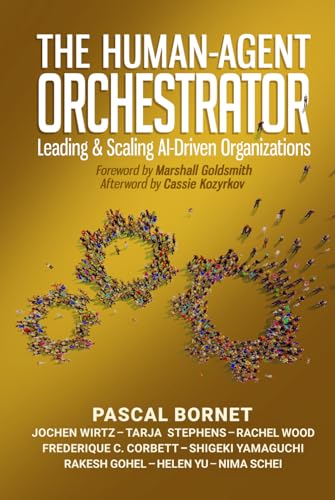
The Human-Agent Orchestrator: Leading and Scaling AI-Driven Organizations
As an affiliate, we earn on qualifying purchases.
As an affiliate, we earn on qualifying purchases.
Key Questions
What is the top-rated AI automation tool for 2026?
The top-ranked tool is OpenCode Custom Workflows, praised for its focus on comprehensive agent orchestration and end-to-end automation capabilities.
Are these tools suitable for non-technical users?
Many tools, such as Microsoft’s Copilot and beginner-focused guides, are designed to be accessible for non-technical users, while advanced options like Claude Code Advanced target experienced developers.
Can these tools integrate with existing enterprise systems?
Yes, several tools, especially those focused on broad workflows like Microsoft 365 and specialized coding assistants, are built for integration with common enterprise platforms.
What are the main considerations when choosing an AI automation tool?
Key factors include the specific workflow needs, desired level of coding control, ecosystem compatibility, and ongoing maintenance requirements.
Will AI automation tools replace human workers?
While these tools automate repetitive tasks and streamline processes, they are designed to augment human work, not replace it entirely. Their primary role is to enhance productivity and efficiency.
Source: ThorstenMeyerAI.com