Choosing the best business PC for a home office involves balancing performance, reliability, and budget. The Lenovo IdeaCentre Tower stands out as the best overall, offering a strong mix of speed and expandability. For those prioritizing raw power, the ASUS V500 with its high-end core i7 and large storage makes a compelling case. Meanwhile, the HP ProDesk offers excellent value with a recent generation processor and ample memory. The main challenge for buyers is often deciding between investing in high-end specs or opting for cost-effective, reliable solutions. Continue reading for a detailed breakdown of each option and what makes them suitable for different needs.

Get hardware and tech essentials delivered free with Prime
- Fast, free delivery on millions of items
- Prime Video, Amazon Music and more included
- Member-only deals all year
Key Takeaways
- Performance in multi-tasking and demanding applications was a key differentiator among the top models.
- Build quality and future expandability helped identify which PCs are worth investing in long-term.
- Price-to-performance ratio varied widely, with some models offering premium features at a more accessible price.
- Form factor considerations, like small size versus full towers, significantly impact workspace setup.
- Latest generation processors and DDR5 memory provided a clear edge in speed and future-proofing.



| business PCs for home office | Processor | Storage | Operating System | Graphics |
|---|---|---|---|---|
| Lenovo IdeaCentre Tower Deskto | Intel Core Ultra 5 225, 10-core, 3.3 GHz base, up to 4.9 GHz turbo | 512GB SSD | Windows 11 Home 64-bit | Intel Graphics |
| Dell Optiplex 7060 SFF Desktop | Intel 8th Gen i7-8700, 6-core | 512GB NVMe M.2 SSD | Windows 11 Pro | — |
| Dell Slim Desktop with Intel C | Intel Core Ultra 5-225 | 512GB SSD | Windows 11 Home | — |
| HP Desktop Computer Tower PC f | Intel Core i5, up to 4.3GHz | 256GB NVMe SSD | — | Nvidia GeForce 2GB |
| Dell QCT1250 Business Desktop | Intel i3-13100, 4 cores, up to 3.4 GHz | Up to 4TB PCIe M.2 SSD | — | Intel UHD Graphics 730 |
| Dell 2026 Pro Tower Desktop Co | 14th Gen Intel Core i3-14100 | 512GB PCIe SSD | Windows 11 Pro | Intel UHD Graphics 730 |
| ASUS V500 Business Tower Deskt | Intel Core i7-13620H | Up to 4TB PCIe M.2 SSD | — | Intel UHD Graphics for 13th Gen |
| HP ProDesk SFF 400 G9 Business | Intel Core i7-14700 | 1.5TB HDD/SSD | — | Intel UHD Graphics 770 |
| Dell 2026 Edition Desktop Towe | Intel Core i3-14100 | 1TB PCIe SSD | Windows 11 Pro | Intel UHD Graphics 730 |
| HP OmniDesk Desktop Computer T | AMD Ryzen 7 (8 cores, up to 5.1 GHz) | 2TB PCIe SSD | Windows 11 Pro | AMD Radeon 780M |
| Dell Tower Desktop with Intel | Intel Core Ultra 7-265 | SSD (unspecified capacity) | Windows 11 Home | — |
| Dell Optiplex 7050 SFF Desktop | Intel Core i7-7700 3.60 GHz | 1TB SSD | Windows 11 Pro | — |
More Details on Our Top Picks
Lenovo IdeaCentre Tower Desktop Computer with Intel Core Ultra 5 225 Processor, 16GB DDR5, 512GB SSD, Windows 11, Wi-Fi 6E
This Lenovo IdeaCentre stands out for its powerful 10-core Intel Core Ultra 5 225 processor, making it ideal for multitasking and demanding office applications. Compared with the Dell Optiplex 7060, it offers more recent hardware and faster Wi-Fi 6E connectivity, but it lacks an optical drive and has only 512GB of SSD storage. Its modern design, combined with Windows 11 pre-installed, makes it a solid choice for users who need reliable performance and future-proof tech. The processor’s multi-threading ensures smooth workflow, though the absence of additional storage options could be limiting for data-heavy users.
Pros:- Powerful 10-core processor for multitasking
- Fast SSD for quick boot and load times
- Modern connectivity with Wi-Fi 6E and Bluetooth 5.1
- Pre-installed Windows 11 for compatibility with latest software
Cons:- No optical drive included, limiting media options
- Limited to 512GB SSD, which may fill quickly for large data needs
Best for: Small business owners or remote workers who want a high-performance, future-ready desktop for daily tasks.
Not ideal for: Users requiring extensive local storage or optical drives, as this model focuses on speed and connectivity over expandability.
- Processor:Intel Core Ultra 5 225, 10-core, 3.3 GHz base, up to 4.9 GHz turbo
- RAM:16GB DDR5
- Storage:512GB SSD
- Operating System:Windows 11 Home 64-bit
- Graphics:Intel Graphics
- Connectivity:Wi-Fi 6E, Bluetooth 5.1, Ethernet RJ-45
- Ports:7 USB ports, HDMI, VGA, audio jack
- Weight:15.87 lbs
Our verdict“This desktop is best suited for users seeking a balanced mix of speed, connectivity, and future-proofing in a home office setup.”
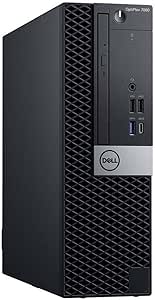
Dell Optiplex 7060 SFF Desktop Computer – Intel i7-8700, 32GB RAM, 512GB SSD, Windows 11 Pro, Wireless Keyboard & Mouse (Renewed)
This Dell Optiplex 7060 SFF offers a robust 8th Gen Intel i7 processor and 32GB of RAM, making it perfect for multitasking and demanding office applications. Compared to the Lenovo IdeaCentre, it provides significantly more RAM, which benefits users running heavy workloads, but it’s limited in upgrade options due to its small form factor. Its NVMe SSD ensures quick data access, though being a renewed product might raise concerns about longevity. Its compact size is ideal for tight spaces, but the absence of a dedicated graphics card could hinder high-end multimedia tasks. Overall, this model is better suited for power users prioritizing performance over expandability.
Pros:- Excellent multitasking with 32GB RAM
- Fast NVMe SSD for quick data access
- Compact small form factor for space-saving setup
- Includes wireless keyboard and mouse
Cons:- Limited upgrade options due to small size
- No dedicated graphics card, restricting high-end multimedia tasks
- Renewed condition may impact long-term reliability
Best for: Advanced home office users who run multiple demanding applications simultaneously.
Not ideal for: Users needing extensive storage or dedicated graphics for multimedia editing or gaming.
- Processor:Intel 8th Gen i7-8700, 6-core
- RAM:32GB DDR4
- Storage:512GB NVMe M.2 SSD
- Operating System:Windows 11 Pro
- Ports:5 USB 3.0, 2 USB 2.0, 2 DisplayPort
- Form Factor:Small Form Factor (SFF)
- Weight:12.28 lbs
- Power Consumption:65 watts
Our verdict“This desktop best serves tech-savvy professionals who need serious multitasking power in a small footprint.”
Dell Slim Desktop with Intel Core Ultra 5-225, 512GB SSD, Windows 11 Home
This Dell Slim Desktop emphasizes space-efficiency with its slim profile, yet packs a punch with an Intel Core Ultra 5-225 processor and a 512GB SSD. It supports multiple monitor setups, which boosts productivity for small home offices. Compared with the HP Desktop Tower, it offers easier upgradeability thanks to tool-less access, but detailed hardware specs like RAM are less clear, making it harder to assess future upgrade potential. Its eco-friendly materials appeal to sustainability-minded buyers, though the lack of dedicated graphics means it’s less suitable for graphics-heavy tasks. Overall, it’s an attractive option for those who need a sleek, upgradeable machine for everyday productivity.
Pros:- Supports multiple monitors for increased workspace
- Easy to upgrade with tool-less design
- Built with recycled materials for sustainability
- Pre-installed Windows 11 for modern software compatibility
Cons:- Limited hardware detail makes future upgrades unclear
- No dedicated graphics card for intensive tasks
- Price info not specified may affect value assessment
Best for: Users with limited space needing a flexible, upgrade-friendly desktop for standard office tasks.
Not ideal for: Power users or creative professionals requiring dedicated graphics or extensive storage.
- Processor:Intel Core Ultra 5-225
- Storage:512GB SSD
- Operating System:Windows 11 Home
- Supports multiple monitors:Yes
- Security:Hardware TPM security chip
- Material:Recycled materials
Our verdict“This desktop fits best for space-conscious users who prioritize flexibility and eco-friendliness for everyday work.”
HP Desktop Computer Tower PC for Home & Office Business, Intel Core i5
This HP Tower combines an Intel Core i5 processor and 16GB RAM, delivering reliable performance for routine office tasks. Compared with the Dell QCT1250, it offers a more modest but sufficient configuration for most home office needs, though its 256GB SSD limits storage for larger data collections. Its support for triple monitor setups enhances multitasking, making it suitable for users with multiple screens. The inclusion of modern connectivity options like USB-C and Wi-Fi ensures seamless integration into a home setup. However, the integrated Nvidia GeForce graphics are basic, which might be inadequate for high-end multimedia work or gaming. Overall, a solid choice for everyday productivity in a home office environment.
Pros:- Reliable performance with Intel Core i5 and 16GB RAM
- Supports triple monitor setup for multitasking
- Modern connectivity including USB-C and Wi-Fi
- Pre-installed Windows 11 Pro
Cons:- Limited storage at 256GB SSD
- No dedicated graphics card for graphics-intensive tasks
Best for: Home workers needing dependable performance and multi-monitor support without high-end graphics demands.
Not ideal for: Creative professionals or data-heavy users who need larger storage or dedicated graphics.
- Processor:Intel Core i5, up to 4.3GHz
- Memory:16GB DDR4
- Storage:256GB NVMe SSD
- Graphics:Nvidia GeForce 2GB
- Ports:4 USB 3.2, 4 USB 2.0, USB-C, HDMI, DVI-I, VGA
- Connectivity:Wi-Fi, Ethernet
- Dimensions:5.98 x 11.93 x 13.27 inches
- Weight:11.02 lbs
Our verdict“This desktop makes sense for everyday office tasks and multitasking, especially where space and budget are considerations.”
Dell QCT1250 Business Desktop – OptiPlex Version with Intel i3-13100, Windows 11, Dual Monitor Support, Keyboard & Mouse
The Dell QCT1250 offers a latest-generation Intel i3-13100 processor with support for up to 64GB DDR5 RAM, making it a surprisingly capable option for budget-conscious users who need speed and expandability. Compared to the HP Desktop Tower, it provides greater future-proofing with more RAM and storage options up to 4TB SSD, although it relies on integrated graphics, limiting high-end multimedia use. Its extensive port selection and dual monitor support make it versatile for multitasking, while its compact size suits smaller desks. The inclusion of Windows 11 and accessories makes setup straightforward. However, it lacks a wireless LAN card, requiring wired connections, which could be a drawback for some users.
Pros:- Fast, responsive performance with latest Intel i3
- Supports up to 64GB DDR5 RAM for future growth
- Multiple ports and dual monitor support
- Includes Windows 11 and accessories for immediate use
Cons:- No wireless LAN card included, requiring wired setup
- Limited to integrated graphics, not suited for graphics-heavy tasks
- Basic model may require upgrades for intensive use
Best for: Small business owners or remote workers who want a budget-friendly, scalable machine with ample connectivity.
Not ideal for: Users needing dedicated graphics or wireless LAN without additional upgrades.
- Processor:Intel i3-13100, 4 cores, up to 3.4 GHz
- RAM:Up to 64GB DDR5
- Storage:Up to 4TB PCIe M.2 SSD
- Graphics:Intel UHD Graphics 730
- Ports:4 USB 3.2 Gen 2, 3 USB 3.2 Gen 3, USB-C, HDMI-in, HDMI-out, DisplayPort, Ethernet
- Dimensions:12.77 in. x 6.06 in. x 11.54 in.
- Weight:12.00 lbs
Our verdict“Ideal for budget-conscious professionals seeking a scalable, multi-monitor capable desktop for general business tasks.”
Dell 2026 Pro Tower Desktop Computer with 16GB DDR5 RAM and 512GB PCIe SSD
This Dell 2026 Pro Tower strikes a balance between performance and sustainability, featuring a 14th Gen Intel Core i3 processor that handles everyday business tasks with ease. Compared with the more powerful ASUS V500, it doesn’t support high-demand multitasking or intensive creative workflows but offers a more affordable, upgrade-friendly design. Its 16GB DDR5 RAM and 512GB SSD ensure quick responsiveness for typical office applications. The dual 4K monitor support boosts productivity, while its eco-friendly build appeals to environmentally conscious buyers. The main tradeoff is the absence of wireless LAN, which requires a wired connection. This model makes the most sense for small businesses or remote workers prioritizing reliable, straightforward performance at a reasonable price, with upgradeability in mind.
Pros:- Balanced performance for everyday business tasks
- Supports dual 4K displays for enhanced multitasking
- Built with recycled materials and easy upgrade options
Cons:- No wireless LAN included, requiring wired setup
- Limited to integrated graphics, not suitable for demanding creative work
Best for: Small business owners and remote workers needing a dependable, eco-friendly desktop with room to grow
Not ideal for: Creative professionals or gamers requiring high-end graphics and processing power
- Processor:14th Gen Intel Core i3-14100
- RAM:16GB DDR5
- Storage:512GB PCIe SSD
- Graphics:Intel UHD Graphics 730
- Operating System:Windows 11 Pro
- Dimensions:12.77″ tall, 6.06″ wide, 11.54″ deep
Our verdict“This desktop suits small offices and remote workers who value reliability and upgradeability over raw power.”
ASUS V500 Business Tower Desktop Computer with Intel Core i7-13620H, 16GB DDR5, 1TB Storage, Windows 11
The ASUS V500 offers a significant leap in processing speed with its 10-core Intel Core i7-13620H, making it ideal for demanding multitasking, heavy data processing, and even some light creative work. Its support for up to 64GB DDR5 RAM and 4TB SSD positions it well ahead of most in this list when handling multiple intensive applications simultaneously. Its connectivity suite—including Wi-Fi 6, Ethernet, HDMI, and DisplayPort—ensures seamless integration into a modern office setup. While it’s heavier and less portable than smaller options like the HP ProDesk, its raw power makes it a smart choice for professionals who need quick, reliable performance without sacrificing storage capacity. The main drawback is the lack of an optical drive, which may matter for some workflows.
Pros:- High-performance 10-core Intel Core i7-13620H processor
- Supports up to 64GB DDR5 RAM and 4TB SSD for extensive multitasking
- Versatile connectivity including Wi-Fi 6 and multiple video outputs
Cons:- Relatively heavy, less portable at over 13 lbs
- No optical drive for physical media use
Best for: Power users and professionals handling large datasets, multitasking, or light creative tasks in a home office
Not ideal for: Users seeking a compact or budget-friendly desktop or those needing integrated graphics for gaming
- Processor:Intel Core i7-13620H
- RAM:Up to 64GB DDR5
- Storage:Up to 4TB PCIe M.2 SSD
- Graphics:Intel UHD Graphics for 13th Gen
- Connectivity:Wi-Fi 6, Ethernet, HDMI, DisplayPort
- Dimensions:6.1 x 11.65 x 13.66 inches
Our verdict“This desktop makes the most sense for power users needing speed, large storage, and expandability in a non-portable form factor.”
HP ProDesk SFF 400 G9 Business Desktop Computer, 14th Gen Intel i7-14700, 16GB DDR5 RAM, 1.5TB Storage, Small Form Factor, Windows 11
The HP ProDesk SFF 400 G9 packs a punch with its 14th Gen Intel i7-14700, offering high core and thread counts suitable for intensive workloads. Its small form factor is a key advantage, fitting into tight spaces where larger towers might not. The 16GB DDR5 RAM and 1.5TB storage make it capable of handling demanding multitasking, though its small size limits upgrade options and expansion. While it lacks dedicated graphics, it supports dual displays and runs Windows 11 Pro, making it a practical choice for professionals managing complex spreadsheets or business apps. Power supply limitations restrict high-end upgrades, but for most business tasks, it performs reliably in a compact footprint.
Pros:- Compact small form factor designed for tight spaces
- Powerful 14th Gen Intel i7-14700 with high core count
- Supports dual display outputs for multitasking
Cons:- Limited upgrade options due to small size
- No dedicated graphics card for high-end visual tasks
Best for: Space-constrained offices needing high-performance computing without a large footprint
Not ideal for: Creative professionals requiring dedicated graphics or gamers needing high-end visuals
- Processor:Intel Core i7-14700
- Cores:20 (8 Performance + 12 Efficient)
- RAM:16GB DDR5
- Storage:1.5TB HDD/SSD
- Graphics:Intel UHD Graphics 770
- Dimensions:10.0 × 3.7 × 12.1 inches
Our verdict“This PC is best for professionals who need high performance in a compact, space-efficient design.”
Dell 2026 Edition Desktop Tower PC, 16GB DDR5 RAM, 1TB PCIe SSD
The Dell 2026 Edition offers strong performance with a 14th Gen Intel Core i3 processor, 16GB DDR5 RAM, and a 1TB PCIe SSD, making it a flexible choice for everyday business use. Compared to the Pro Tower with a Core i5, it provides comparable memory and storage at a more affordable price point—though its processor is slightly less capable for demanding workloads. Its support for up to four monitors and extensive connectivity—including Wi-Fi 6 and multiple USB ports—makes it highly adaptable for multitaskers. However, it’s less suited for intensive creative tasks or high-end gaming, and its processor may struggle with very heavy multitasking. It’s ideal for users who want modern specs at a reasonable price without the need for cutting-edge performance.
Pros:- Strong 14th Gen Intel Core i3 processor for everyday tasks
- Supports up to four monitors for expanded workspace
- Modern connectivity with Wi-Fi 6 and multiple USB options
Cons:- Processor less capable for intensive workloads
- Lack of dedicated graphics card limits creative or gaming use
Best for: Small to medium businesses requiring a reliable, versatile desktop for daily tasks
Not ideal for: Creative professionals or power users needing high-end graphics and processing speed
- Processor:Intel Core i3-14100
- RAM:16GB DDR5
- Storage:1TB PCIe SSD
- Graphics:Intel UHD Graphics 730
- Operating System:Windows 11 Pro
- Dimensions:12.76″ x 6.06″ x 11.53″
Our verdict“This PC is well-suited for office environments needing reliable performance and flexible connectivity at a good price.”
HP OmniDesk Desktop Computer Tower PC, AMD Ryzen 7, 32GB DDR5, 2TB SSD, Windows 11 Pro, Dual Display
The HP OmniDesk stands out as the best overall for home office users who need robust performance and versatile connectivity. Its AMD Ryzen 7 processor delivers high-speed multitasking, making it ideal for demanding business applications, creative projects, or light gaming—surpassing the more modest specs of the Dell Optiplex 7050. With 32GB DDR5 RAM and a 2TB SSD, it offers seamless multitasking and ample storage, though it lacks a dedicated GPU, which could limit high-end gaming or graphics-intensive tasks. The dual display support and sleek design make it a space-efficient choice, but its modern aesthetic may not suit traditional office decor. This model is perfect for those who want a machine that balances power and style without compromise.
Pros:- High-performance AMD Ryzen 7 CPU with AI capabilities
- Fast 32GB DDR5 memory and 2TB SSD for quick multitasking
- Versatile connectivity including dual display support
Cons:- No dedicated graphics card limits gaming and graphics-intensive tasks
- Limited info on upgrade options may restrict future expansion
Best for: Power users who need high performance for multitasking, creative work, or light gaming in a space-efficient form.
Not ideal for: Users seeking a machine with dedicated graphics for high-end gaming or heavy 3D work, or those preferring traditional design aesthetics.
- Processor:AMD Ryzen 7 (8 cores, up to 5.1 GHz)
- Graphics:AMD Radeon 780M
- Memory:32GB DDR5 RAM
- Storage:2TB PCIe SSD
- Operating System:Windows 11 Pro
- Connectivity:Wi-Fi 6, Bluetooth 5.4, multiple USB ports, HDMI, DisplayPort
Our verdict“This PC is best suited for home office users who need a powerful, stylish machine with strong multitasking capabilities.”
Dell Tower Desktop with Intel Core Ultra 7-265, 32GB RAM, Windows 11 Home
The Dell Ultra 7-265 offers a compelling balance of performance and affordability for home office users who prioritize multitasking and multiple monitor setups. With 32GB RAM and an efficient SSD, it provides fast response times, comparable to the Dell Optiplex 7050, but at a lower price point. Its support for up to four FHD monitors or a 4K display makes it a versatile choice for productivity. However, the absence of a dedicated graphics card limits its suitability for graphic-heavy tasks or gaming, and the specific storage capacity isn’t detailed, which could be a concern for users with large data needs. This pick makes sense for those who want a powerful, flexible desktop without paying for high-end gaming features.
Pros:- Supports multiple monitor configurations for increased productivity
- Easy to upgrade with tool-less access and removable side panel
- Includes built-in security features like TPM chip and lock slot
Cons:- No dedicated graphics card may hinder graphics-heavy tasks
- Storage details are not specified, potentially limiting large data storage
Best for: Budget-conscious professionals who need multi-monitor support and strong multitasking in a compact, secure package.
Not ideal for: Gamers or creative professionals requiring dedicated graphics or large storage capacity for intensive workloads.
- Processor:Intel Core Ultra 7-265
- Memory:32GB RAM
- Storage:SSD (unspecified capacity)
- Display Support:Up to four FHD or one 4K monitor
- Operating System:Windows 11 Home
- Features:TPM security chip, tool-less access
Our verdict“This desktop is a smart choice for budget-savvy users who need multi-monitor support and straightforward upgrades.”
Dell Optiplex 7050 SFF Desktop PC with Intel i7-7700, 32GB RAM, 1TB SSD, Windows 11 Pro
The Dell Optiplex 7050 SFF offers a proven, reliable option for home office professionals seeking a compact yet powerful machine. Its Intel i7-7700 processor provides solid performance for multitasking, comparable to newer models but with a more traditional build. With 32GB RAM and a 1TB SSD, it excels at managing multiple applications simultaneously and boots quickly. Its small form factor saves space, but being professionally renewed might result in minor cosmetic imperfections, and it lacks the latest connectivity features found in newer models. Still, this desktop delivers dependable performance for daily business tasks, particularly in environments where space is limited.
Pros:- Reliable Intel i7-7700 processor with solid performance
- Large 32GB RAM supports heavy multitasking
- Fast 1TB SSD for quick data access and boot times
Cons:- Renewed condition may have minor cosmetic flaws
- Lacks the latest connectivity options and graphics capabilities
Best for: Professionals who need a dependable, space-efficient desktop with ample memory for multitasking and a proven processor.
Not ideal for: Power users seeking the latest features or gamers requiring dedicated high-end graphics.
- Processor:Intel Core i7-7700 3.60 GHz
- Memory:32GB DDR4 RAM
- Storage:1TB SSD
- Form Factor:Small Form Factor (SFF)
- Operating System:Windows 11 Pro
- Connectivity:Wi-Fi 802.11ac, Bluetooth, HDMI, DisplayPort, Ethernet
Our verdict“This desktop is ideal for professionals needing a dependable, space-saving machine with strong multitasking ability.”

How We Picked
Each PC was evaluated based on key factors including processor performance, memory capacity, storage options, expandability, and overall build quality. We prioritized models with recent hardware that can handle typical business tasks, multitasking, and future growth. Cost was also a factor, but not at the expense of essential performance features. Our ranking reflects the best balance of value, reliability, and versatility for home office use, ensuring options suit a range of budgets and needs. We also considered user reviews and industry reputation to select models that are likely to perform well over time.| business PCs for home office | Operating System | Graphics |
|---|---|---|
| Lenovo IdeaCentre Tower Deskto | Windows 11 Home 64-bit | Intel Graphics |
| Dell Optiplex 7060 SFF Desktop | Windows 11 Pro | — |
| Dell Slim Desktop with Intel C | Windows 11 Home | — |
| HP Desktop Computer Tower PC f | — | Nvidia GeForce 2GB |
| Dell QCT1250 Business Desktop | — | Intel UHD Graphics 730 |
| Dell 2026 Pro Tower Desktop Co | Windows 11 Pro | Intel UHD Graphics 730 |
| ASUS V500 Business Tower Deskt | — | Intel UHD Graphics for 13th Gen |
| HP ProDesk SFF 400 G9 Business | — | Intel UHD Graphics 770 |
| Dell 2026 Edition Desktop Towe | Windows 11 Pro | Intel UHD Graphics 730 |
| HP OmniDesk Desktop Computer T | Windows 11 Pro | AMD Radeon 780M |
| Dell Tower Desktop with Intel | Windows 11 Home | — |
| Dell Optiplex 7050 SFF Desktop | Windows 11 Pro | — |
Factors to Consider When Choosing Best Business PCs For Home Offices
When selecting a business PC for your home office, it’s important to consider several key factors that influence performance, usability, and longevity. A well-chosen PC can improve productivity and reduce frustrations, while a poor choice can lead to bottlenecks and upgrades sooner than expected. Here are the main considerations to weigh before making your purchase.Processor Power and Performance
The processor is the brain of your PC, directly impacting speed and multitasking ability. For most home office tasks, a modern Intel Core i5 or AMD Ryzen 5 is sufficient. However, if your work involves demanding applications like video editing or large data analysis, a Core i7 or Ryzen 7 offers better future-proofing. Investing in a higher-end CPU can reduce lag and make switching between multiple applications smoother, but it also increases cost. Balancing current needs and future growth is key here.
Memory and Storage
Ample RAM ensures your system can handle multiple open applications without slowing down. For typical office work, 16GB of DDR4 or DDR5 RAM is a good baseline. If you run intensive programs or multitask heavily, 32GB may be worth considering. Storage speed matters too; SSDs significantly improve boot times and data access compared to HDDs. A 512GB SSD is often enough for most users, but those with large files or extensive media should look for 1TB or more. Consider how much data you need readily accessible versus archived.
Form Factor and Expandability
Choosing between a full tower, mini PC, or small form factor depends on your workspace and future needs. Full towers offer more room for upgrades like additional RAM or storage, which can extend the device’s lifespan. Smaller models save space but often limit upgrade options. Think about whether you anticipate adding peripherals or components later, as this can influence your long-term satisfaction with the PC.
Connectivity and Ports
Reliable and versatile connectivity options are essential for a smooth workflow. Modern PCs should include multiple USB ports (preferably USB-C and USB 3.0), HDMI or DisplayPort outputs for dual monitors, and fast Wi-Fi 6 or Ethernet for stable internet. If you rely on wired peripherals or high-speed internet, ensure the PC has the necessary ports. Wireless peripherals can reduce clutter, but wired connections often provide greater stability for work-critical tasks.
Price and Total Cost of Ownership
While it’s tempting to go for the cheapest option, consider the total cost of ownership. A slightly higher initial investment in a more durable, upgradeable model can save money long-term by delaying replacements. Also factor in potential upgrades, warranty options, and support services. Remember, the most expensive model isn’t always the best value if it offers features you don’t need or won’t use.
Security and Management Features
If your work involves sensitive data, look for features like TPM chips, hardware encryption, and remote management capabilities. These features can help protect your information and make support easier, especially if you manage multiple devices. For most home offices, basic security features are sufficient, but if security is a priority, don’t overlook this aspect during your decision.
Frequently Asked Questions
Is a higher-end CPU worth it for a home office PC?
Upgrading to a higher-end CPU can provide noticeable improvements in speed, especially when multitasking or using demanding applications. For typical office tasks like document editing, browsing, and video conferencing, mid-range processors are usually sufficient. However, if you plan to run specialized software or want a machine that remains capable for several years, investing in a faster CPU can be a smart choice. It’s about balancing your current needs with future-proofing.
Should I prioritize a small form factor or a full tower?
Size depends heavily on your workspace and upgrade plans. Small form factor PCs save space and are easier to place in tight areas, but often limit future upgrades. Full towers are bulkier but offer more room for adding RAM, storage, or additional components later. If your workspace is limited or you prefer a clutter-free setup, a compact model makes sense. Otherwise, a full tower offers better longevity and flexibility.
How much RAM do I really need for a home office?
For most standard business applications, 16GB of RAM provides a comfortable buffer for multitasking. If your work involves heavy multitasking, large spreadsheets, or creative software, 32GB can improve performance and reduce lag. Keep in mind that more RAM can also extend the useful lifespan of your PC by handling future software updates more smoothly. However, beyond 32GB, the incremental benefits diminish for typical office tasks.
Is SSD storage necessary for a home office PC?
Yes, SSDs significantly speed up boot times, application launches, and data access, making your daily workflow more efficient. For most users, a 512GB SSD strikes a good balance between capacity and speed, with larger options available for those handling big files regularly. While HDDs are cheaper, they slow down overall performance. For a reliable and responsive experience, prioritizing an SSD is a wise choice.
Should I focus on upgradeability or out-of-the-box performance?
This depends on your future plans. If you expect your needs to grow or want to extend your PC’s lifespan, a system with good upgrade options is advantageous. On the other hand, if you need a straightforward device that works well immediately, a high-performance pre-configured model can save time and hassle. Balancing current requirements with potential future upgrades helps ensure you don’t overpay for features you don’t need.
Conclusion
For those seeking the best overall experience, the Lenovo IdeaCentre Tower offers impressive performance and upgrade options. Budget-conscious buyers will find the HP ProDesk to be a compelling, cost-effective choice. If you’re looking for premium features and future-proofing, the ASUS V500 delivers high-end specs in a capable package. Beginners or those with simple needs may prefer compact, easy-to-use options, while power users should consider models with higher-end CPUs and expandability. Ultimately, your choice depends on your budget, workspace, and future plans—select the model that best aligns with your specific work-from-home requirements.
Evergreen bestsellers Picks
bestsellers
As an affiliate, we earn on qualifying purchases.