
Starting home Bitcoin mining isn’t just about buying the most powerful hardware; it’s about smart power planning first. You need to guarantee your electrical system can handle the energy demands without overloads or hazards. Upgrading your wiring and considering renewable sources can save you money and reduce environmental impact. Focus on efficiency over hype to maximize profitability and sustainability. Keep exploring to discover how proper power setup lays the foundation for a successful mining operation.

Get hardware and tech essentials delivered free — and shop member deals
- Fast, free delivery on millions of items
- Access to Prime Big Deal Days deals on October 6–7
- Prime Video, Amazon Music and more included
Key Takeaways
- Proper power planning ensures your home’s electrical system can safely support mining hardware.
- Upgrading electrical infrastructure prevents overloads and maintains continuous mining operations.
- Selecting energy-efficient hardware maximizes profitability and reduces electricity costs over time.
- Understanding local regulations avoids legal issues and ensures compliant, sustainable mining.
- Future-proof your setup by planning for scalability and increased energy demands.
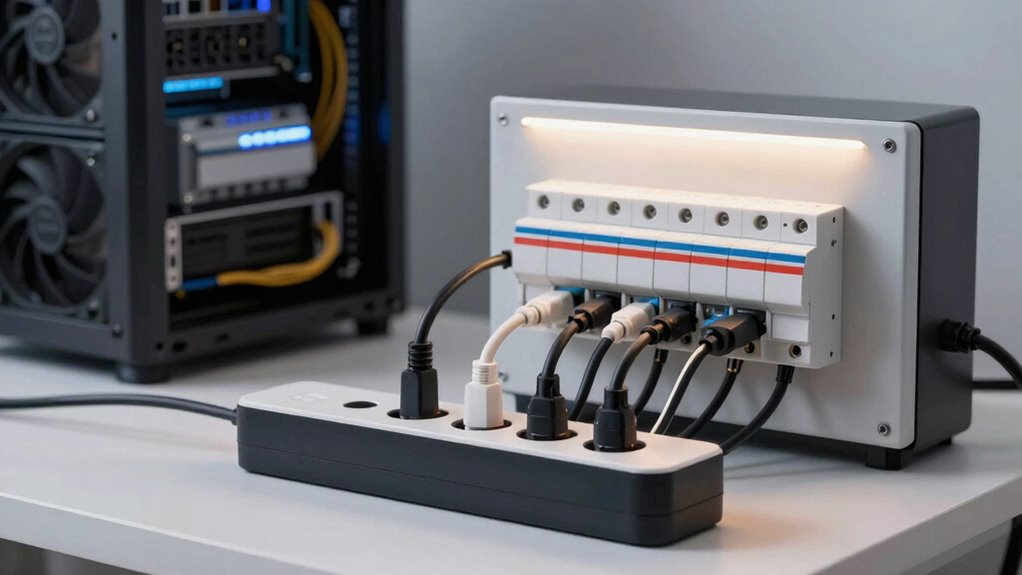
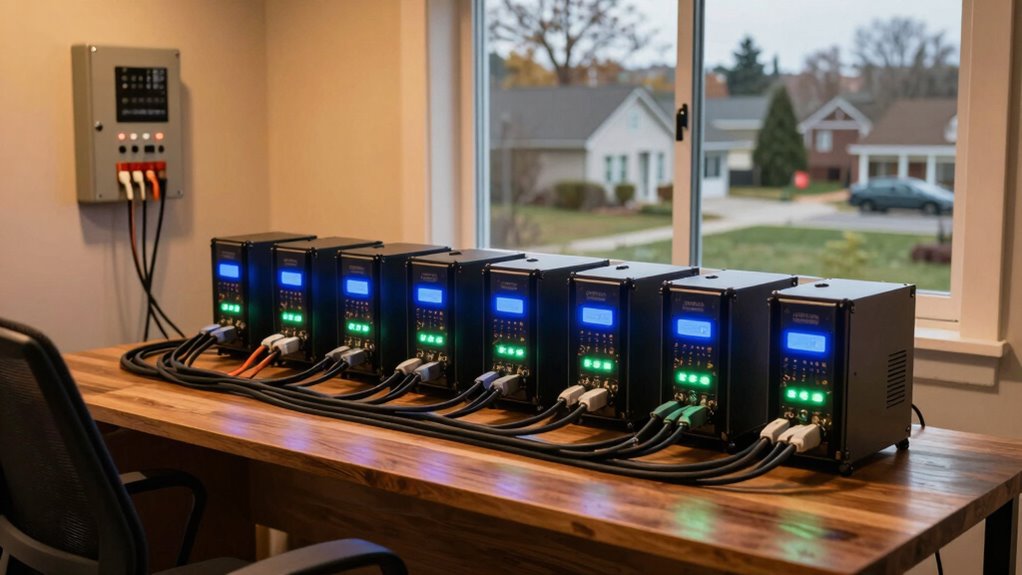
Have you ever considered mining Bitcoin from the comfort of your home? If you’re thinking about it, the first step isn’t rushing out to buy the latest mining hardware or investing in expensive equipment. Instead, it’s about careful power planning. Mining consumes a significant amount of energy, so understanding your energy efficiency is essential. You need to evaluate your home’s electrical capacity and determine whether your current setup can handle the power demands of mining rigs. This involves assessing your power infrastructure to ensure it aligns with your mining plans and prevents potential overloads. This is especially important because airless paint sprayers are designed for efficiency, much like optimizing your energy use for mining. This isn’t just about plugging in a few devices; it involves guaranteeing your circuits can support continuous operation without tripping or causing safety hazards. Upgrading your electrical system might be necessary, and that can add to your costs upfront, but it’s critical for long-term sustainability. Additionally, considering renewable energy sources can help reduce your environmental impact while powering your mining endeavors. Incorporating energy-efficient hardware can further enhance your setup by reducing overall electricity consumption and increasing profitability. Beyond energy considerations, you also need to be aware of the legal landscape surrounding home Bitcoin mining. Laws and regulations vary by location, and what’s permissible in one area could be illegal or heavily regulated in another. Before you start, research local regulations on electricity use, noise levels, and any required permits or licenses. Some regions impose restrictions on mining activities due to concerns over power consumption or environmental impact. Ignoring these legal considerations can lead to hefty fines or even shutdown orders. It’s better to understand the rules early on and make sure your setup complies with all applicable laws. Once your power infrastructure is sorted and you’ve checked the legal boxes, you can focus on the hardware. But remember, hardware hype can be misleading. High-powered mining equipment isn’t necessarily the most energy-efficient choice. You’ll want to compare the energy consumption versus the hashing power of different miners to maximize your profitability. Investing in energy-efficient hardware or optimizing your setup can reduce electricity costs, making mining more sustainable and profitable over time. Starting with power planning also means considering your future needs. As mining difficulty increases, you may need to upgrade or expand your setup. Planning for scalability and energy efficiency from the beginning helps you avoid costly rewiring or hardware replacements down the line. It’s tempting to be lured by flashy advertisements for powerful miners, but the real key to successful home mining is a balanced approach—one rooted in understanding your energy consumption, adhering to legal considerations, and choosing hardware wisely. Without these foundational steps, even the most advanced equipment won’t guarantee success.
home electrical system upgrade for mining
As an affiliate, we earn on qualifying purchases.
As an affiliate, we earn on qualifying purchases.
Frequently Asked Questions
How Much Initial Investment Is Required for Home Bitcoin Mining?
You’ll need around $2,000 to $4,000 for initial home Bitcoin mining, depending on your hardware choices. Remember, investing in efficient hardware upgrades can boost your mining performance, while effective cooling solutions prevent overheating and prolong equipment life. Consider your power costs and setup space too. This initial investment sets the foundation, but ongoing expenses like electricity and maintenance are essential for sustained mining success.
What Are the Long-Term Energy Costs Involved?
Your long-term energy costs depend heavily on your mining setup’s energy efficiency and your local electricity rates. As you operate your hardware, expect ongoing expenses that can add up, especially if your equipment isn’t optimized for low power consumption. Keep environmental impact in mind by choosing energy-efficient hardware and renewable energy sources when possible. This approach helps reduce operational costs and minimizes your carbon footprint over time.
Can I Mine Bitcoin With Existing Home Electrical Systems?
You can mine Bitcoin with your existing home electrical system, but it’s like balancing on a tightrope—your setup needs careful planning. If you harness renewable energy, you reduce long-term costs and environmental impact. However, consider noise management, as mining hardware can be loud and disruptive. Upgrading your electrical system might be necessary for efficiency and safety, ensuring your mining venture runs smoothly without overloading your home’s capacity.
What Are the Legal Considerations for Home Mining?
You need to guarantee regulatory compliance when home mining Bitcoin, as local laws may restrict or regulate cryptocurrency activities. Check with your local authorities to avoid legal issues. Also, consider the community impact; noisy mining equipment can disturb neighbors, potentially leading to complaints. Staying informed about laws and being considerate of your community helps you mine safely and legally, preventing future disputes or penalties.
How Do I Ensure Safety When Setting up Mining Hardware?
To guarantee safety when setting up mining hardware, start by proper hardware cooling to prevent overheating and potential fires. Keep the area well-ventilated and regularly clean dust from components. Manage noise levels by placing miners in soundproofed or isolated spaces to protect your hearing and avoid disturbing others. Always use surge protectors, check electrical connections, and follow manufacturer guidelines to maintain a safe, efficient mining environment.
energy-efficient Bitcoin mining hardware
As an affiliate, we earn on qualifying purchases.
As an affiliate, we earn on qualifying purchases.
Conclusion
In the world of home Bitcoin mining, power planning proves paramount. Prioritize precise power preparation over hardware hype, and you’ll prevent pitfalls and promote profits. Proper planning prevents poor performance, making your mining journey more manageable and more meaningful. Don’t plunge into the digital dollar dash without due diligence—deliberate your power needs first. With wise wattage work, you’ll wield wealth wisely, turning your tech into a trustworthy tool for thriving in the crypto craze.
renewable energy sources for mining
As an affiliate, we earn on qualifying purchases.
As an affiliate, we earn on qualifying purchases.
home electrical load capacity tester
As an affiliate, we earn on qualifying purchases.
As an affiliate, we earn on qualifying purchases.
Fall Picks
fall essentials
As an affiliate, we earn on qualifying purchases.