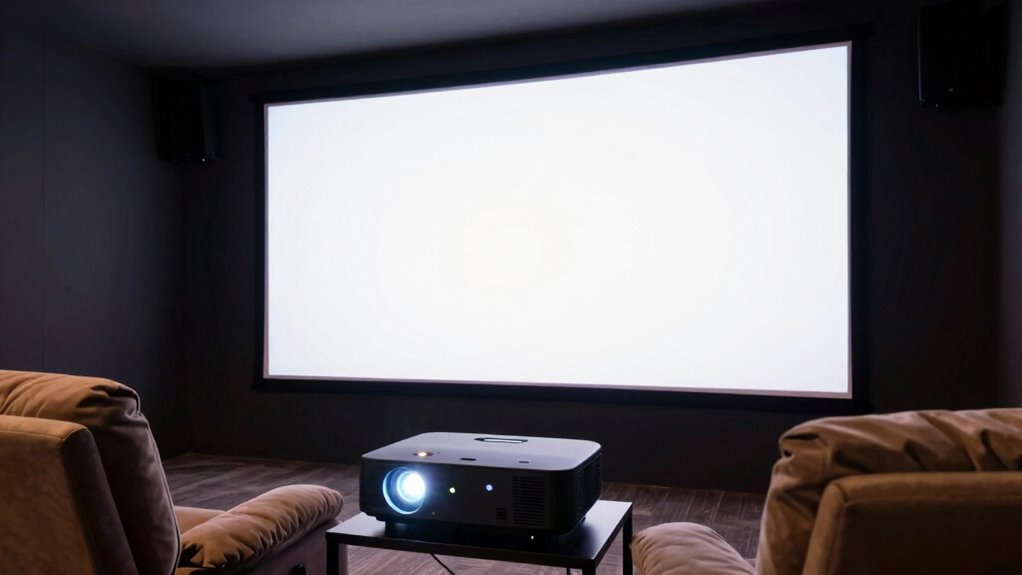
Choosing the right projector screen can vastly improve your viewing experience, often more than upgrading your projector. The screen’s size, material, gain, and placement directly affect image clarity, color accuracy, and contrast. If you pick a screen tailored to your room’s lighting and layout, you’ll enjoy brighter, sharper images without spending extra on new equipment. Keep exploring to discover how selecting the perfect screen can make a real difference in your home theater setup.
Key Takeaways
- A high-quality screen enhances image brightness, contrast, and color accuracy, often surpassing the benefits of a new projector.
- Selecting the right screen type and material optimizes image clarity and reduces distortions or shadows.
- Proper screen size and gain tailored to room conditions improve viewing experience more than upgrading the projector.
- A well-calibrated, compatible screen minimizes installation issues and ensures consistent performance.
- Investing in a suitable screen can extend the overall lifespan and effectiveness of your current projector setup.

Outdoor Projector Screen 80 Inch, 16:9, High Gain, Projector Screen with Stand, Wind-resistant Design for Portable Projection Screen Outdoor, With Ropes and Spikes, 4K Image for Home Theater, Camping.
High Gain Outdoor Projector Screen. The screen is rolled up and stored in storage tube, so that it…
As an affiliate, we earn on qualifying purchases.
As an affiliate, we earn on qualifying purchases.
Why Choosing the Right Projector Screen Is More Important Than You Think
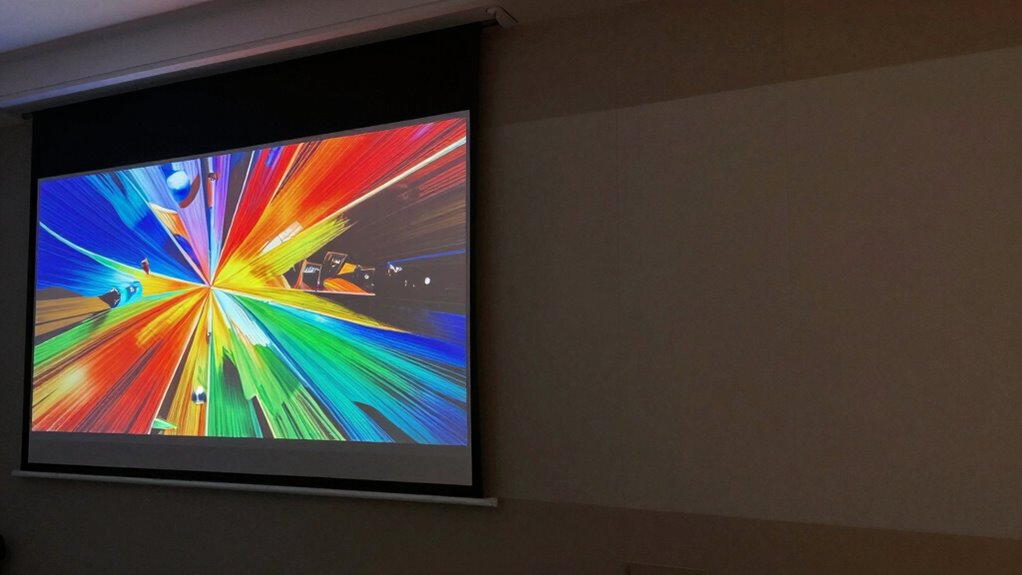
Choosing the right projector screen can markedly impact the quality of your viewing experience, often more than you realize. Proper color calibration ensures the image looks vibrant and accurate, preventing dull or washed-out visuals that can ruin your movie night. Equally important are mounting techniques; secure and well-positioned screens eliminate distortions and shadows, giving you a crisp, even picture. A poorly mounted screen can cause flickering or misalignment, diminishing your viewing pleasure. Additionally, selecting a screen with appropriate material quality can further enhance the clarity and contrast of your projected images. When you select a screen that supports ideal color calibration and use proper mounting methods, you guarantee a professional-looking setup that maximizes your projector’s potential. Paying attention to contrast ratio and surface reflectivity can also significantly improve image depth and vibrancy. Ensuring the right backyard transformation essentials are in place can also create a perfect environment for outdoor movie nights. This attention to detail makes a noticeable difference, transforming your space into a true home theater and making every viewing moment more immersive.

ShowMaven 100in /120in Fixed Frame Projector Screen, Diagonal 16:9, Active 3D 4K Ultra HD Projector Screen for Home Theater or Office (16:9, 120")
Wide Viewing Angle: 100-inch diagonal white screen with 16:9 aspect ratio(53.7" H x 91.8" W). 120-inch diagonal white…
As an affiliate, we earn on qualifying purchases.
As an affiliate, we earn on qualifying purchases.
What Factors Matter Most When Picking a Projector Screen
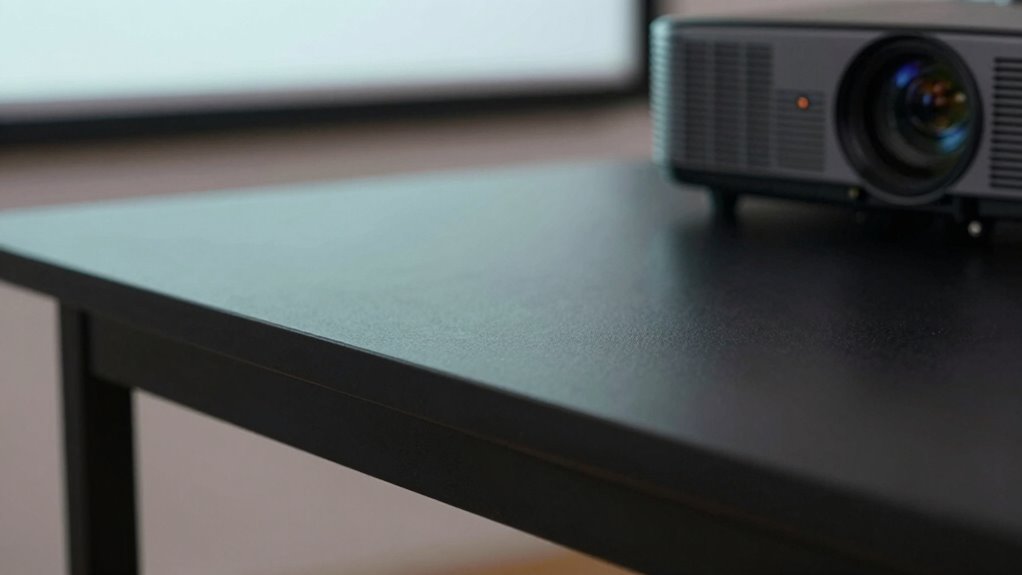
When selecting a projector screen, understanding the key factors that influence its performance can make all the difference in your viewing experience. First, consider color calibration—your screen should deliver accurate, vibrant colors that match your projector’s output. Poor calibration can distort images, reducing immersion. Next, pay attention to mounting techniques; proper installation guarantees a flat, stable surface free of wrinkles or distortions. Secure mounting also helps minimize vibrations and movement that can blur images. The screen’s material and gain affect brightness and contrast, so choose one suited to your room’s lighting. Finally, consider the screen size and aspect ratio to match your space and projector. Focusing on color calibration and mounting techniques will give you the sharp, vibrant, and stable images you want.

TOWOND Projector Screen with Stand, 100 inch Outdoor Projector Screen Portable Indoor Projection Screen 16:9 4K Rear Front Movie Screen with Carry Bag for Home Backyard Theater 100 inch
Lightweight and Detachable tripod:Projector screen stand is very durable, making it not easy to bend, deform, and break….
As an affiliate, we earn on qualifying purchases.
As an affiliate, we earn on qualifying purchases.
What Types of Projection Screens Are Available for Home Theaters
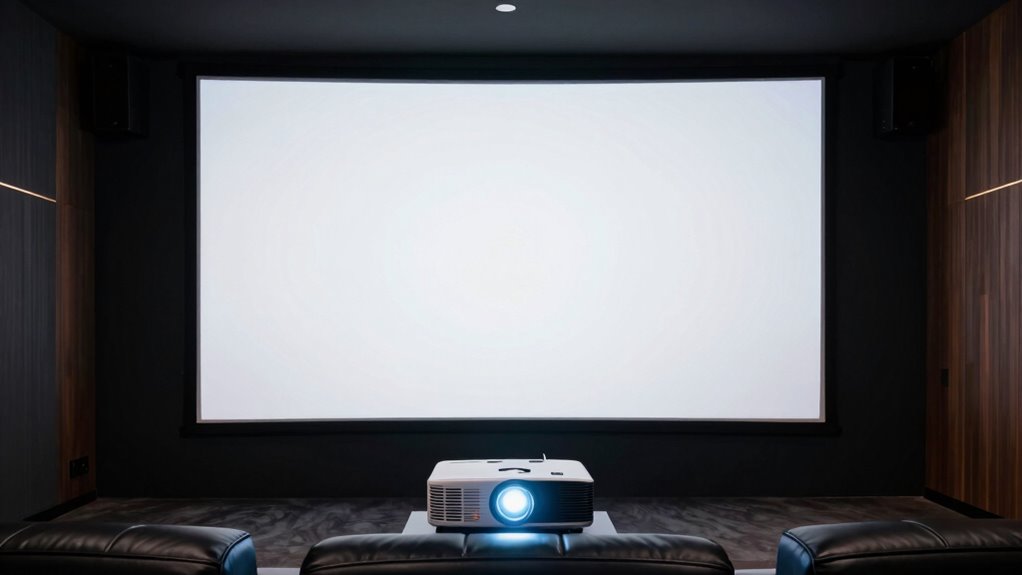
There are several types of projection screens available for home theaters, each designed to suit different preferences and room conditions. Your choice depends on factors like space, lighting, and how often you’ll move the screen. Fixed screens offer a seamless, professional look, while portable screen options give flexibility for different rooms or presentations. Some screens require minimal projection screen maintenance, like electric or motorized models, which hide away when not in use. Others are manual or tripod-mounted, perfect for temporary setups. Here’s a quick comparison:
| Type | Best For | Maintenance Needs |
|---|---|---|
| Fixed Screen | Permanent home theater setup | Low, clean surface |
| Portable Screen | Flexibility & mobility | Moderate, fold or store |
| Electric Screen | Convenience & automation | Slightly higher |
| Tripod/Manual | Budget-conscious & temporary | Easy, basic upkeep |

DINAH 120 Inch Electric Projector Screen with Remote, Automatic Air Indoor Drop Down, Motorized 4K 3D HD Projection for Movies
Large 120-inch screen: The DINAH electric projector screen is an ideal choice for movie enthusiasts and professionals alike,…
As an affiliate, we earn on qualifying purchases.
As an affiliate, we earn on qualifying purchases.
How Screen Material and Color Impact Image Quality
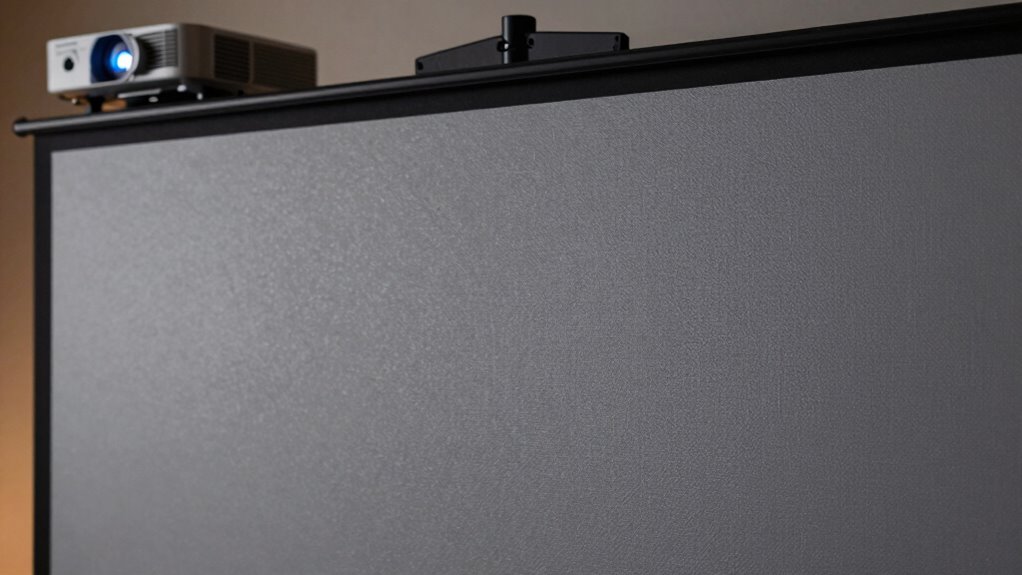
The material and color of your projection screen directly influence the clarity, brightness, and color accuracy of your images. A high-quality material guarantees durability and maintains its reflective properties over time, preventing wrinkles or warping that can distort images. Different screen materials, like matte or glass bead, impact how light is reflected and can enhance or diminish color fidelity. The color of the screen also plays a key role; neutral tones like gray or white help preserve true color accuracy and contrast. A durable material resists scratches and stains, ensuring consistent performance. Choosing the right combination of material and color helps you achieve sharper images, vibrant colors, and reliable durability, making your viewing experience more immersive and true to life. Additionally, selecting a screen material suited for your projector can significantly improve overall image quality and longevity. Considering factors like reflective properties can further optimize your setup for the best possible viewing experience. Being aware of how microbiome health can be affected by the environment around your setup is also important for maintaining a healthy and clean viewing space.
How to Choose the Best Screen Size and Aspect Ratio for Your Room
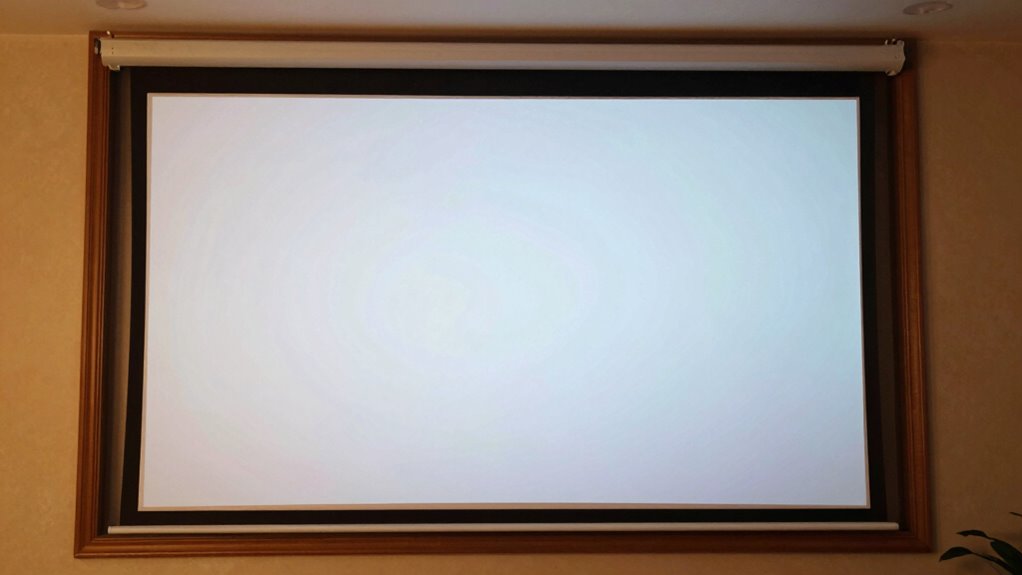
Choosing the right screen size depends on your room’s ideal viewing distance, ensuring you can comfortably see the entire image without strain. You also need to take into account your room’s shape and layout to find a screen that fits well and maximizes space. When you match the aspect ratio to your content and room dimensions, your viewing experience will be much more immersive and enjoyable.
Optimal Viewing Distance
Ever wonder how far you should sit from your projector screen to enjoy the best picture quality? The ideal viewing distance depends on your screen size and aspect ratio, affecting the projection angle. Sitting too close can cause distortion and strain, while sitting too far reduces immersion. A good rule is to sit at a distance where the screen fills your field of view comfortably—about 1.5 to 2.5 times the screen’s diagonal size. Keep in mind, a larger screen offers a more immersive experience but may reduce portability, making setup and relocation trickier. Finding the right balance ensures you get the best image clarity without sacrificing convenience. Adjust your seating to match your room size, screen dimensions, and viewing preferences for maximum enjoyment.
Room Shape Compatibility
To guarantee your projector screen fits seamlessly into your room, consider its shape and size carefully. The room’s layout influences the ideal screen dimensions and aspect ratio, impacting both visibility and immersion. If your space is narrow, a smaller, standard aspect ratio might work best, while wider rooms benefit from larger screens with wider ratios. Keep in mind, the right size enhances color accuracy and minimizes distortions. Also, think about mounting options—whether you’ll ceiling-mount or use a portable stand—since this affects frame size and placement. Properly matching your screen to your room’s shape ensures optimal viewing angles, reduces glare, and maximizes visual quality. Additionally, understanding room shape compatibility can guide you in selecting a screen that offers the best viewing experience.
How Screen Gain Affects Brightness and Contrast
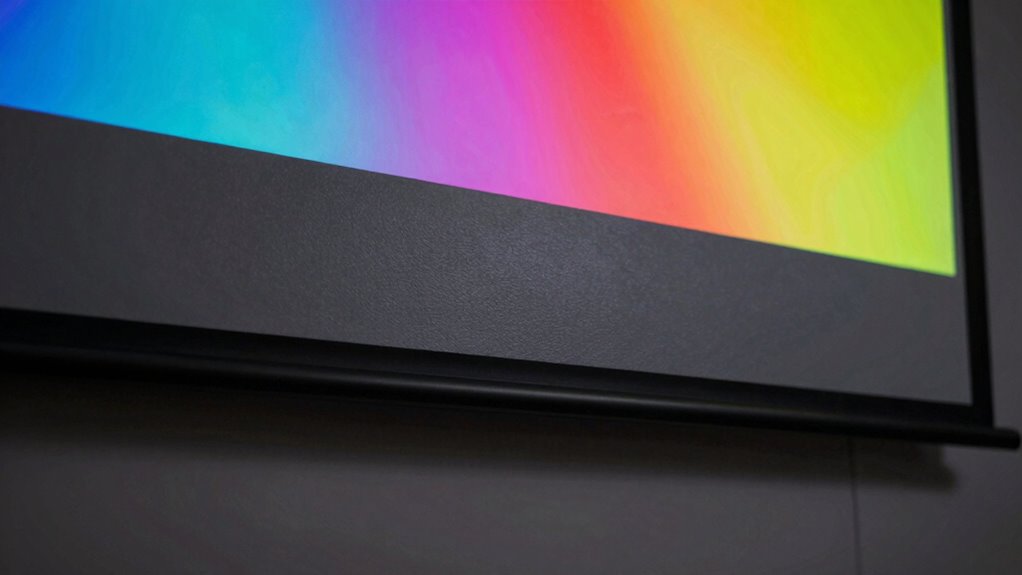
Have you ever wondered how screen gain influences the brightness and contrast of your projected images? Screen gain measures how much light the screen reflects compared to a standard matte surface. Higher screen gain values, like 1.8 or 2.0, have more reflective properties, making images brighter, especially in well-lit rooms. However, increased gain can also reduce contrast and viewing angles, causing hot spots or uneven brightness. Lower gain screens, around 0.8 to 1.0, diffuse light more evenly, offering better contrast and wider viewing angles but at the cost of some brightness. Understanding how screen gain impacts reflective properties helps you choose a screen that balances brightness, contrast, and room conditions for ideal viewing.
How to Pick a Projector Screen Based on Your Room Environment
Your room’s lighting conditions, available space, and shape all play a vital role in choosing the right projector screen. Different materials and sizes can help optimize picture quality and viewing comfort. Considering these factors guarantees you pick a screen that fits your environment perfectly.
Room Lighting Conditions
Ever wondered how the lighting in your room affects your projector screen choice? Bright rooms with lots of ambient light require a screen with high gain to reflect more light, ensuring a vivid image. Darker rooms allow for a matte or low-gain screen, which minimizes glare and improves contrast. Proper color calibration is essential to optimize image accuracy, especially in rooms with inconsistent lighting. You should also consider your mounting techniques—fixed or retractable screens—based on how light enters the space and your setup flexibility. An adjustable screen can help adapt to changing lighting conditions, enhancing your viewing experience regardless of ambient light levels. By understanding your room’s lighting, you’ll select a screen that delivers clear, sharp images with vibrant colors.
Screen Material Choices
Choosing the right projector screen material depends heavily on your room’s environment and how you plan to use your projector. Your screen’s material affects brightness, color accuracy, and sound quality. For instance, matte surfaces reduce glare, making them ideal for rooms with ambient light, while high-gain screens boost brightness in well-lit areas. Consider screen mounting options—fixed, retractable, or portable—to match your space’s layout. Acoustic considerations matter too; some screens are designed to be acoustically transparent, allowing your speakers to sit behind the screen for cleaner sound. Understanding screen material choices and how they impact your viewing experience can help you make a more informed decision. Additionally, selecting the right electric projectors can complement your screen choice for optimal performance. It’s also important to consider how room environment factors like light levels and acoustics influence your overall setup. Here’s a quick guide:
| Environment | Recommended Screen Material |
|---|---|
| Bright, ambient light | Matte, low-gain surface |
| Dimmer rooms | High-gain or glass-beaded material |
| Sound clarity needed | Acoustic transparent material |
| Wall-mount options | Fixed or retractable screens |
| Portability | Foldable or portable screens |
Space Size and Shape
How does the size and shape of your room influence the ideal projector screen choice? Larger rooms need bigger screens to fill the space without losing image clarity, while smaller rooms require more modest sizes to prevent overwhelming. The room’s shape also matters—rectangular or square spaces often benefit from screens with decorative framing that complements the room’s style. If ambient lighting is a concern, choose a screen with a matte surface to reduce glare and maintain contrast. For rooms with irregular shapes, consider flexible or portable screens that can adapt to different configurations. Additionally, the placement of furniture and windows impacts your choice, ensuring the screen fits seamlessly into your room environment for best viewing. Considering DIY tools and safety tips can help you properly install your chosen projector screen for optimal results, especially when accounting for space planning and safety precautions.
DIY vs. Professional Projector Screens: Which Is Better for You?
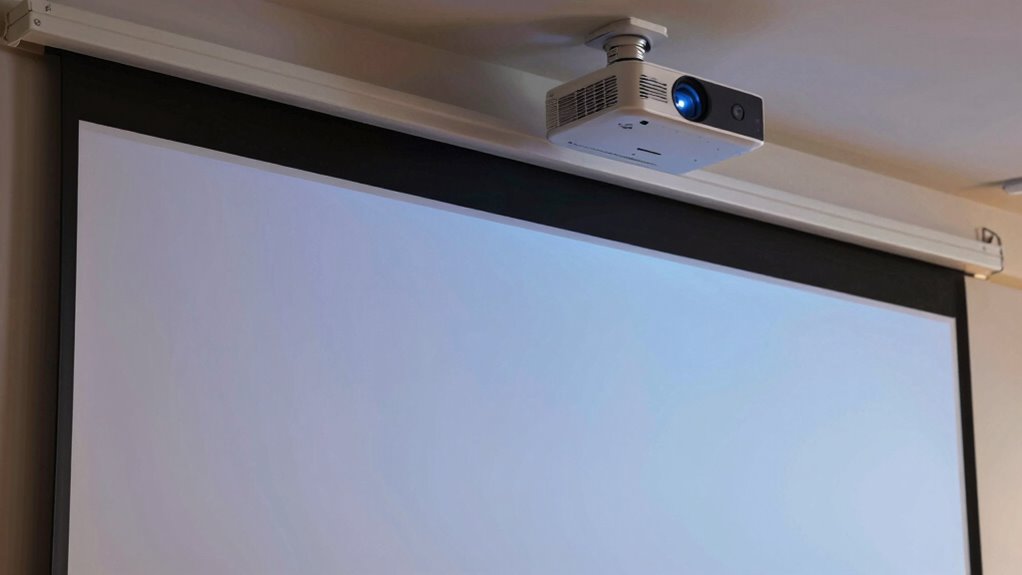
Deciding between a DIY projector screen and a professional one depends on your budget, skills, and specific needs. DIY screens can be cost-effective and customizable but may lack precise color calibration and sound integration, affecting picture quality and audio experience. Professional screens offer consistent quality, optimized reflectivity, and integrated features, making setup easier and more reliable.
| Feature | DIY Screen | Professional Screen |
|---|---|---|
| Cost | Lower upfront | Higher, but often more durable |
| Customization | Highly customizable | Limited customization |
| Color Calibration | May require adjustments | Factory-calibrated |
| Sound Integration | Usually separate setup | Built-in options available |
| Installation | DIY effort, skills needed | Professional installation |
Common Mistakes to Avoid When Selecting a Projector Screen
Selecting the right projector screen involves more than just picking the most affordable or the most visually appealing option. One common mistake is ignoring compatibility with your projection mount, which can lead to unstable or unsafe screen setup. Another mistake is neglecting proper screen installation; incorrect placement or tension can distort the image or cause wrinkles. Also, avoid choosing a screen size without considering your room’s dimensions and viewing angles, which can hamper the viewing experience. Additionally, overlooking the importance of ethical consumer choices when selecting equipment can lead to less sustainable or environmentally friendly options. To prevent these issues, double-check your projection mount specifications, verify proper installation techniques, and measure your space carefully. A well-selected screen that’s correctly mounted and installed makes a significant difference in picture quality and durability, ensuring your investment pays off.
Frequently Asked Questions
How Does Ambient Light Influence Projector Screen Choice?
Ambient light greatly influences your projector screen choice. In bright rooms, you should opt for a screen material with high gain or matte finish to reflect more light and reduce glare. If your space has a lot of ambient light, avoid glossy or reflective screens, which can wash out images. Selecting the right screen material tailored to your ambient light conditions ensures clear, vibrant pictures, no matter how bright your environment gets.
Can a Screen’s Portability Affect Long-Term Viewing Quality?
A survey shows 60% of users prefer portable screens for flexibility. Your screen’s portability can impact long-term viewing quality by offering convenient setup and transport, but it might sacrifice some stability and image sharpness. If you prioritize portable convenience, you could experience occasional dips in viewing consistency, especially on uneven surfaces or in different locations. Choose a high-quality, portable screen to balance convenience with consistent image quality.
Are There Eco-Friendly Options for Projector Screens?
Yes, eco-friendly projector screens are available. You can choose options made from recyclable materials that reduce environmental impact. Look for screens with eco-friendly coatings that enhance durability without harmful chemicals. These environmentally conscious choices help lower your carbon footprint while maintaining great image quality. By selecting sustainable options, you contribute to environmental preservation without sacrificing performance, making your viewing experience both enjoyable and eco-responsible.
How Often Should I Replace or Upgrade My Projector Screen?
You should consider replacing or upgrading your projector screen every 3 to 5 years, depending on usage and wear. Keep an eye on the screen material—if it becomes scratched or discolored, it’s time for an update. Also, evaluate your mounting options; a secure, easy-to-adjust setup ensures superior viewing. Regular maintenance helps preserve picture quality and enhances your viewing experience over time.
What Maintenance Is Required to Keep a Projector Screen in Optimal Condition?
To keep your projector screen in top shape, regularly perform screen cleaning with a soft, damp cloth to remove dust and smudges. Avoid harsh chemicals. Also, check your frame for any damage or loose parts, tightening or repairing as needed. Keeping the surface clean and the frame well-maintained guarantees ideal image quality and prolongs your screen’s lifespan, making your viewing experience consistently sharp and clear.
Conclusion
Choosing the right projector screen is like finding the perfect canvas for your masterpiece — it makes all the difference. Don’t get caught up in fancy projectors alone; your screen’s material, size, and placement are the secret ingredients to a stunning picture. Think of it as tuning your instrument before the concert. When you pick wisely, your home theater becomes a portal to immersive worlds, turning every movie night into an unforgettable adventure.