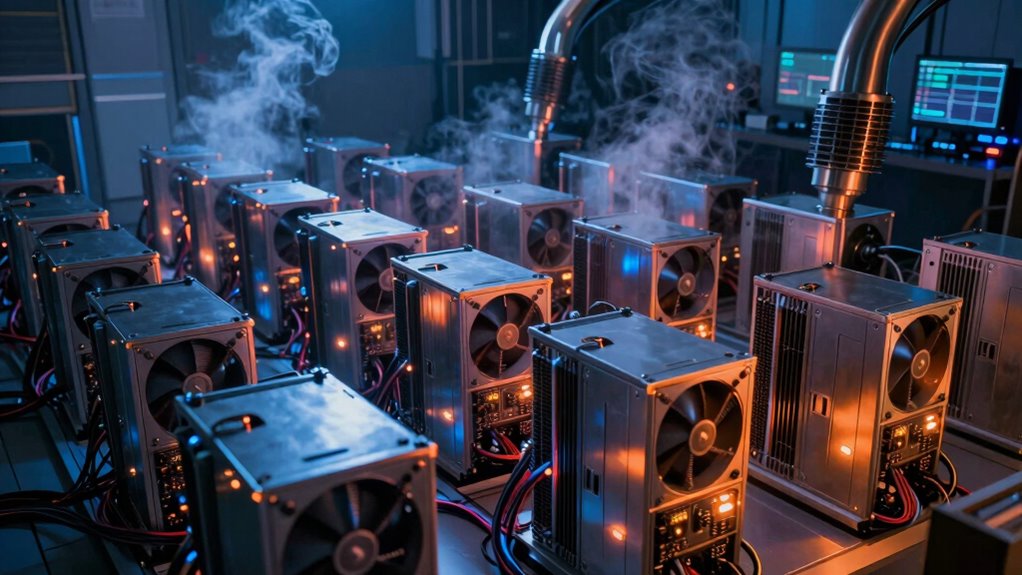

Quiet Bitcoin miners seem like a perfect solution for minimizing noise at home, but they come with trade-offs. You might face reduced processing power and lower hash rates, which can hurt your profits. Plus, they often use advanced cooling tech that can boost costs and maintenance needs. If you’re curious about how these trade-offs could affect your setup and long-term gains, there’s more to discover if you keep exploring.

Get hardware and tech essentials delivered free — and shop member deals
- Fast, free delivery on millions of items
- Access to Prime Big Deal Days deals on October 6–7
- Prime Video, Amazon Music and more included
Key Takeaways
- Quiet miners often have lower processing power, reducing overall mining efficiency and potential profitability.
- Enhanced cooling and soundproofing increase initial costs and may lead to higher maintenance expenses over time.
- Reduced noise levels can compromise cooling effectiveness, risking overheating and hardware longevity.
- Energy efficiency benefits quieter models but may come with trade-offs in hash rate and cooling performance.
- Ideal for home use but might require balancing noise reduction with operational costs and hardware durability.
As an affiliate, we earn on qualifying purchases.
What Are Quiet Bitcoin Miners and How Do They Work?
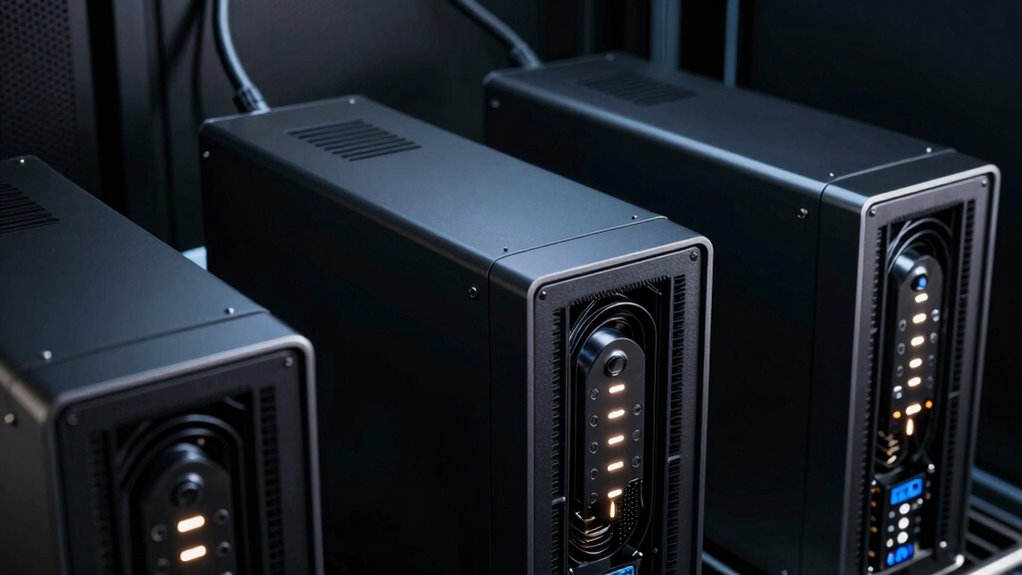
Quiet Bitcoin miners are specialized machines designed to reduce the loud noise typically associated with standard mining equipment. They achieve this through advanced thermal management systems that efficiently dissipate heat, minimizing the need for noisy fans. Noise insulation is a key feature, with soundproofing materials built into the casing to contain sound inside the device. These miners often use optimized airflow paths to keep components cool without generating excessive noise. By managing heat effectively and insulating sound, they operate more quietly than traditional rigs. This design makes them suitable for environments where noise could be disruptive. Additionally, thermal management systems play a crucial role in maintaining optimal operation while keeping noise levels low. Proper soundproofing techniques are essential to balance noise reduction with adequate cooling, ensuring the device remains efficient. The effectiveness of noise insulation can also influence the overall cost and complexity of the mining setup. A well-designed cooling system can extend the lifespan of the equipment by preventing overheating. Furthermore, implementing soundproofing materials can significantly enhance the overall noise reduction performance. Overall, these features help create a more discreet mining setup.
As an affiliate, we earn on qualifying purchases.
Are Quiet Mining Rigs Worth the Cost? Pros and Cons Explained
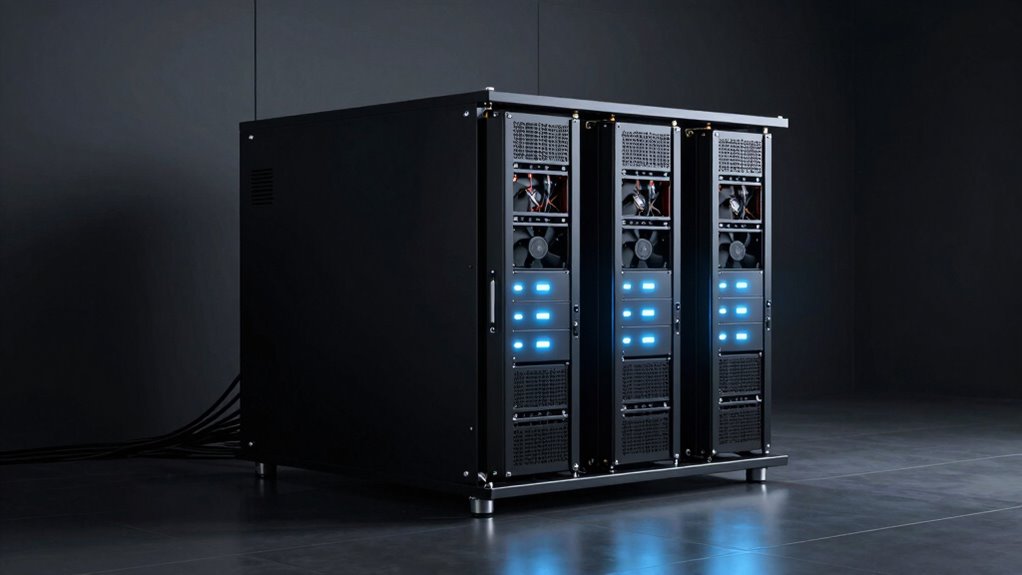
While quiet mining rigs can be appealing for their discreet operation, they often come with a higher price tag that makes many users question whether they’re worth the investment. Advances in mining hardware and noise reduction techniques have made quieter options more accessible, but costs can still be significant. You should weigh the benefits against these drawbacks:
- Increased initial investment due to advanced hardware
- Potentially higher maintenance costs
- Improved noise reduction techniques that may still fall short
- Benefits of a more comfortable, less disruptive environment
- Considering noise management strategies can help optimize your setup without necessarily opting for the most expensive equipment. Incorporating sustainable practices can also aid in reducing long-term environmental impact and operational costs. Additionally, understanding the latest wall art trends can inspire innovative ways to integrate equipment into your space discreetly. It’s also important to stay updated on energy efficiency improvements, which can significantly influence ongoing operational expenses. Exploring innovative cooling solutions can further enhance efficiency and reduce noise levels in your mining setup.
Whether quiet miners are worth it depends on your priorities—if minimizing noise and visual impact matters, the trade-offs might be justified. However, if maximizing profitability is your main goal, the added cost could outweigh the advantages.
As an affiliate, we earn on qualifying purchases.
How Do Quiet Miners Affect Mining Efficiency and Profitability?
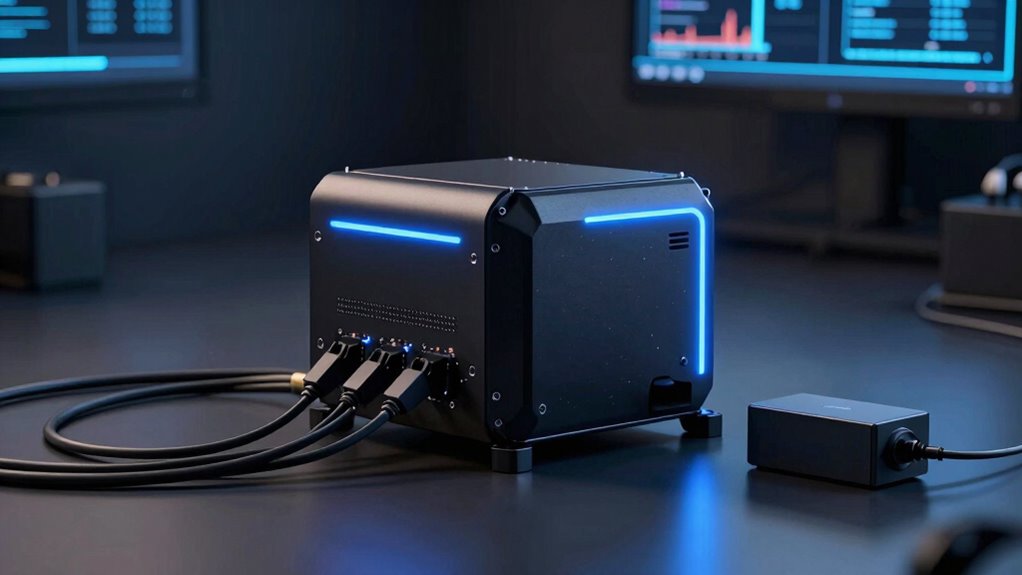
Choosing a quieter mining rig can influence your overall mining efficiency and profitability, often depending on how the hardware’s design impacts performance. While quieter miners may reduce noise and improve your workspace environment, they sometimes compromise on processing power, leading to lower hash rates. This reduction can directly impact your mining output, affecting profitability. Additionally, quieter models might use less energy, which has a positive environmental impact and reduces operational costs. Reduced energy consumption aligns with sustainable mining practices, which are increasingly important as the industry seeks to minimize environmental footprints. As technology advances, some models are now integrating innovative cooling solutions to better balance noise levels and performance. However, market demand for high-performance miners remains strong, meaning that less powerful, quieter rigs may not attract as many buyers or investors. Ultimately, balancing noise reduction with efficiency is essential. If the hardware sacrifices too much performance, your profitability could suffer, despite the environmental benefits and growing market interest in sustainable mining options. Incorporating hardware design considerations can help optimize both noise levels and mining efficiency. Understanding trade-offs involved in hardware choices is crucial for making informed decisions.
As an affiliate, we earn on qualifying purchases.
Noise and Power Use: Comparing Different Bitcoin Miners
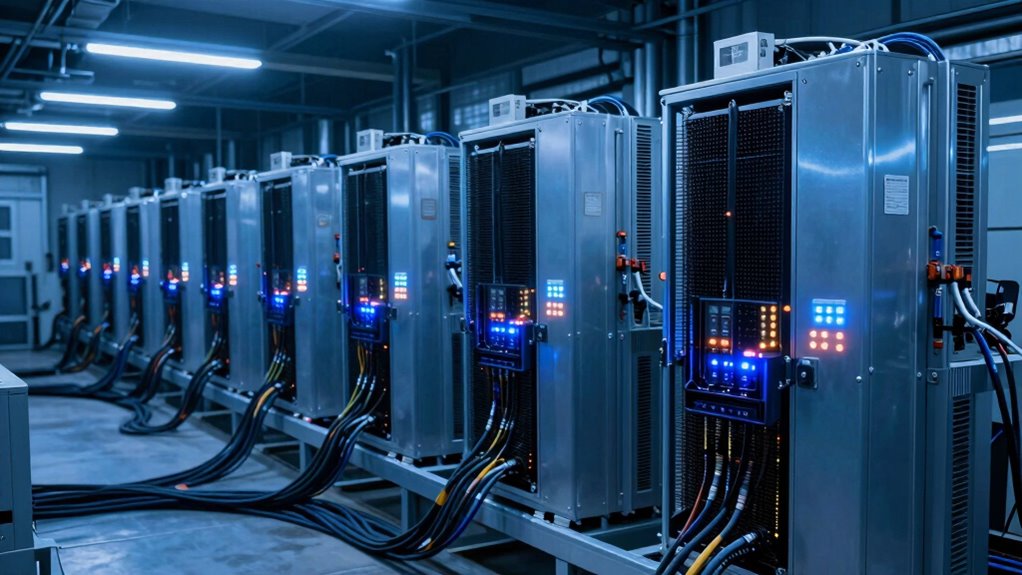
When comparing different Bitcoin miners, it’s essential to take into account their noise levels and power consumption, as these factors directly impact your operating costs and workspace comfort. Miners with advanced cooling technologies often run more efficiently but can generate more noise without proper noise insulation. Conversely, quieter models may use less power but could be less effective in cooling, risking overheating. Proper ADAS sensor calibration can also play a role in optimizing cooling efficiency by ensuring components operate within ideal parameters. Additionally, cooling technology can influence both noise levels and energy efficiency, making it a critical factor in selection. Selecting the right noise insulation can significantly improve your environment, especially in noise-sensitive areas. Moreover, understanding the environmental impact of your mining setup can guide you toward more sustainable choices. Using energy-efficient hardware can reduce overall power consumption and minimize environmental harm. – Higher power use increases electricity bills. – Cooling technologies vary, affecting noise and efficiency. – Noise insulation can reduce sound pollution. – Balancing power consumption with noise output influences long-term costs.
Understanding these trade-offs helps you choose a miner that fits your environment and budget, ensuring ideal performance without sacrificing comfort.
Is a Quiet Bitcoin Miner Right for Your Home Setup?
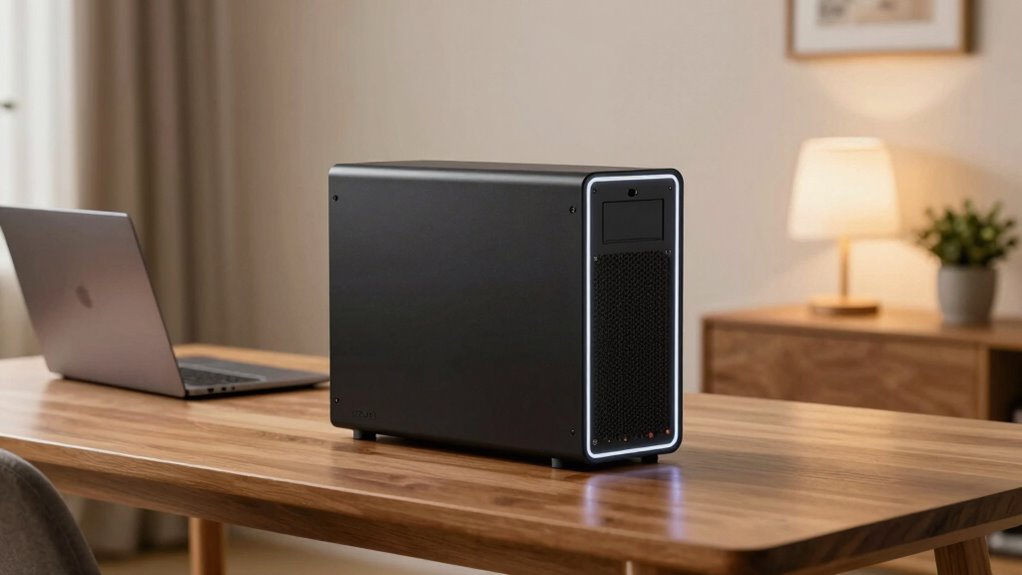
Are a quiet Bitcoin miner worth considering for your home setup? If minimizing noise is a priority, a quiet miner might seem ideal. However, consider how energy consumption factors into your decision. Quiet models often use advanced cooling or lower power components, which can impact overall efficiency. Additionally, hardware durability is essential; quieter devices may have less robust fans or cooling systems that wear out faster, affecting long-term reliability. You’ll want to evaluate if the reduced noise justifies potential trade-offs in energy efficiency and hardware lifespan. You might also want to review the noise levels of different models to ensure they meet your comfort standards. A quieter miner might be easier to operate in a home environment, but it could also mean higher operational costs or more frequent maintenance. Ultimately, weigh these factors against your goals and setup constraints before choosing a quiet Bitcoin miner. Effective cooling systems are crucial to maintaining hardware performance and longevity in quieter models. Furthermore, assessing the energy efficiency of different models helps ensure that quieter options don’t lead to increased operational costs over time. Understanding the hardware durability is also key to predicting future maintenance needs and overall investment. Additionally, some quieter models incorporate advanced cooling technologies that can help mitigate heat without sacrificing noise levels.
Frequently Asked Questions
How Long Do Quiet Bitcoin Miners Typically Last Before Needing Replacement?
Quiet Bitcoin miners typically last around 3 to 5 years before needing replacement. Their lower noise levels mean you can operate them in more places without disturbance, but they often compromise energy efficiency compared to traditional models. Over time, their performance declines, and they may become less profitable, prompting upgrades or replacements. Proper maintenance can extend their lifespan, but eventually, the trade-offs in noise and efficiency catch up.
Are There Specific Brands Known for the Quietest Mining Hardware?
You’ll find brands like Bitmain and MicroBT known for producing the quietest mining hardware. They prioritize noise reduction and power efficiency, making them ideal if you want a quieter setup. While these models may cost more initially, their quieter operation and energy savings could lower your long-term expenses. Just keep in mind that even the quietest miners still generate some noise, so proper placement and soundproofing can enhance your experience.
What Maintenance Do Quiet Miners Require Compared to Traditional Units?
Quiet miners generally require less maintenance than traditional units because they produce lower noise levels, reducing wear on fans and moving parts. You’ll find they often have enhanced energy efficiency, which means they run cooler and need fewer repairs. However, you should still regularly clean filters and check connections to keep them running smoothly. Overall, their quieter operation and energy efficiency mean less frequent maintenance and a longer lifespan.
Can Quiet Miners Be Integrated Into Existing Mining Farms?
Yes, you can integrate quiet miners into your existing mining farm. Their noise reduction features help create a more comfortable environment, especially in shared spaces. Plus, their energy efficiency can lower your operational costs. However, make certain your current infrastructure supports these units’ power and cooling needs. Moving seamlessly involves evaluating compatibility and possibly upgrading some components, but overall, integrating quiet miners can enhance your farm’s performance and workplace comfort.
Do Quiet Miners Generate Enough Heat for Home Use Without Additional Cooling?
Think of quiet miners as gentle streams rather than roaring waterfalls. They typically don’t generate enough heat for home use without extra cooling, as their lower noise levels often mean reduced energy efficiency and heat output. You might find them suitable for small spaces, but for consistent, reliable operation, you’ll need supplemental cooling systems. This trade-off balances noise reduction with energy efficiency and thermal management, making them less ideal for standalone home setups.
Conclusion
So, you’re tempted by silent mining, dreaming of a peaceful home filled with crypto riches. Just remember, these quiet rigs come with a hefty price tag and some serious trade-offs—like lower efficiency or higher power bills. Sure, it sounds perfect—no noise, no fuss. But in the end, you might find that the quiet life isn’t quite as profitable or peaceful as the marketing promises. Happy mining—quietly, of course!
Fall Picks
fall essentials
As an affiliate, we earn on qualifying purchases.