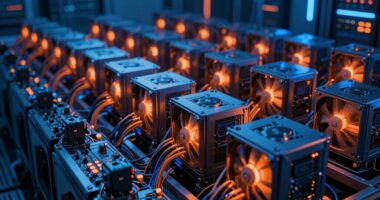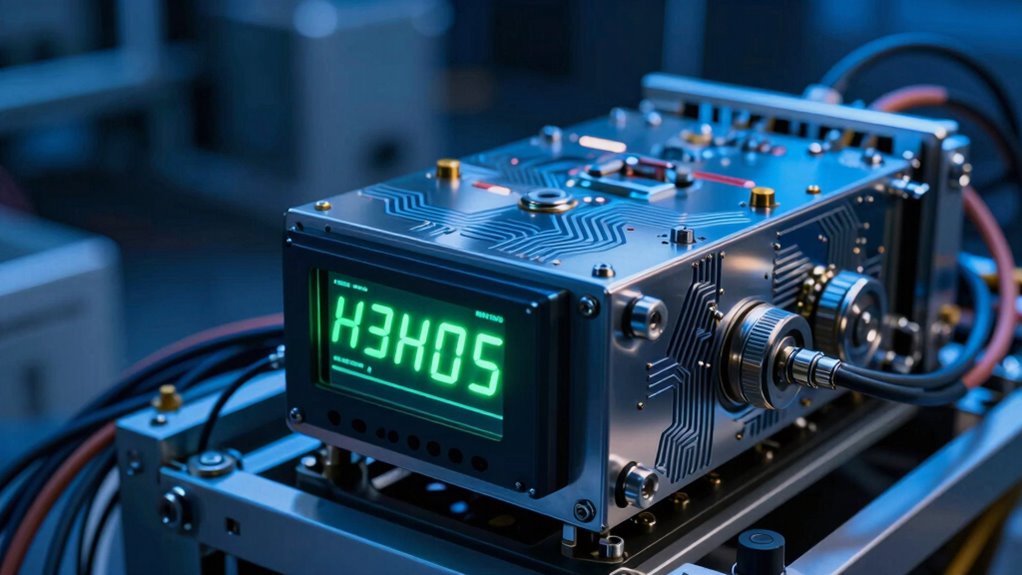

A high hashrate might catch your eye, but it doesn’t guarantee your miner’s worth. You need to look at efficiency, stability, and long-term costs like power consumption and maintenance. Overloading on hashrate can lead to overheating or high energy bills that eat into profits. To really gauge if a miner is a good buy, consider real-world performance, cooling needs, and operational reliability. Explore further, and you’ll find ways to maximize your mining success.

Get hardware and tech essentials delivered free with Prime
- Fast, free delivery on millions of items
- Prime Video, Amazon Music and more included
- Member-only deals all year
Key Takeaways
- High hashrate alone doesn’t guarantee profitability; software optimization and stability are equally critical.
- Energy efficiency impacts long-term costs and environmental impact, often outweighing raw hashrate.
- Real-world performance, including hardware durability and cooling effectiveness, influences actual mining success.
- Market conditions, electricity costs, and regulatory factors significantly affect the overall value of a mining setup.
- Hardware reliability, noise levels, and operational stability are essential for sustainable, worthwhile mining investments.
Bitcoin mining rig with high energy efficiency
As an affiliate, we earn on qualifying purchases.
As an affiliate, we earn on qualifying purchases.
Why Hashrate Isn’t the Only Thing That Matters in Mining
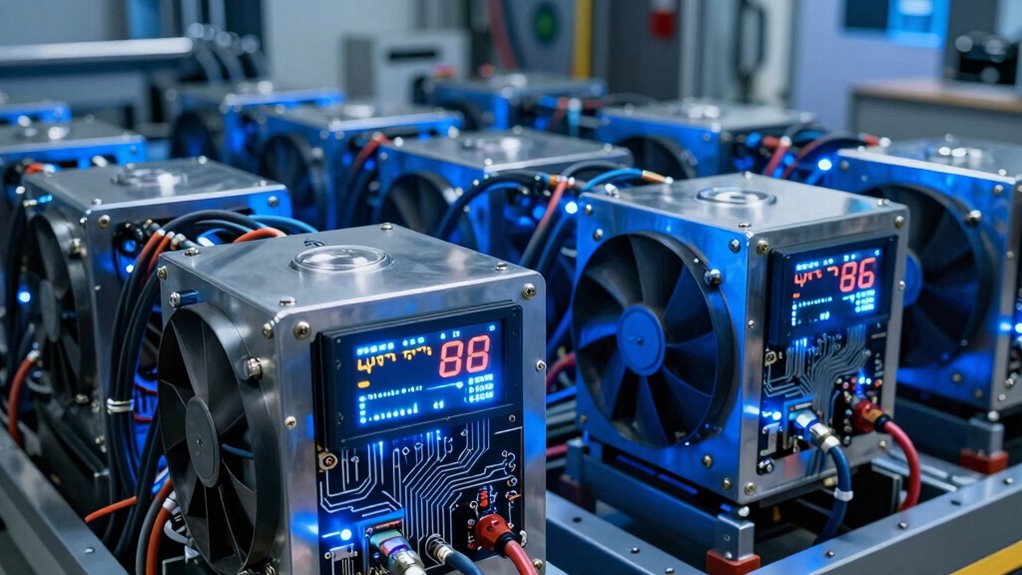
While having a high hashrate is important, it’s not the only factor that determines your success in mining. Energy consumption plays a vital role because higher hashrates often require more power, increasing operational costs. This also impacts the environmental impact of your mining activities, as more energy use generally means a larger carbon footprint. If you focus solely on hashrate, you might overlook how efficiently your equipment runs or how much energy it consumes. A miner with a slightly lower hashrate but better energy efficiency can be more profitable and eco-friendly in the long run. Balancing performance with energy consumption helps you make smarter choices, reducing environmental harm while maintaining profitability. Understanding energy efficiency and its importance can significantly influence your mining success and sustainability. Therefore, power consumption should be carefully evaluated alongside hashrate to ensure optimal results. Don’t underestimate the importance of energy efficiency in your mining strategy.
cooling solutions for cryptocurrency miners
As an affiliate, we earn on qualifying purchases.
As an affiliate, we earn on qualifying purchases.
How to Measure Miner Efficiency: Power, Heat, and Performance
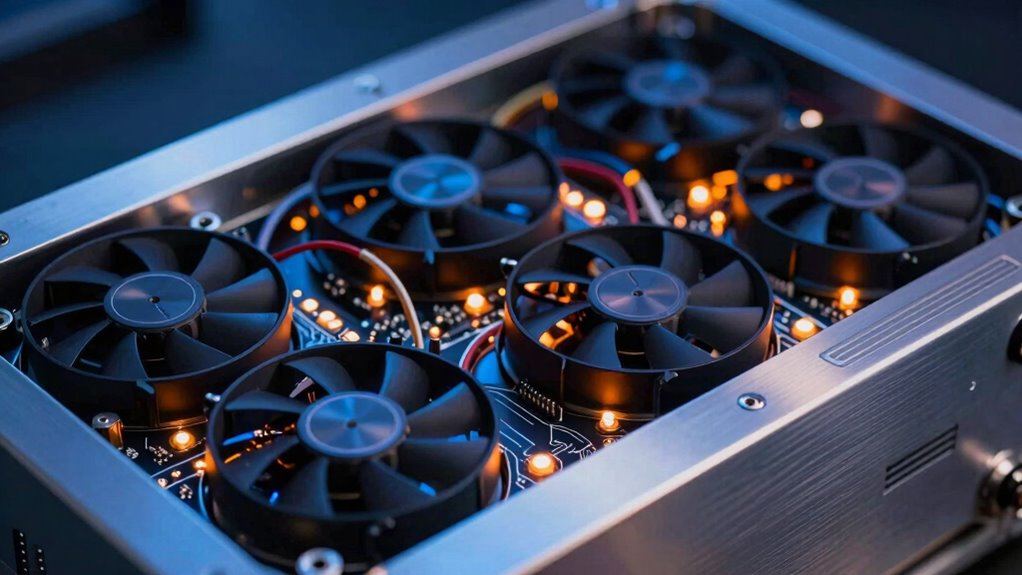
Measuring miner efficiency involves more than just looking at hashrate; it requires analyzing power consumption, heat output, and overall performance. To determine if a mining rig is efficient, focus on how much energy it uses relative to its output, as energy consumption directly impacts operational costs and environmental impact. Consider these key factors:
- Power efficiency: How much energy is used per unit of hashing power.
- Heat management: Excess heat affects performance and cooling costs.
- Performance stability: Consistent output ensures reliable mining without unnecessary energy waste.
- Additionally, monitoring website performance metrics can help optimize overall efficiency and identify areas for improvement. Proper calibration of the equipment can also significantly improve its accuracy and output, leading to better overall efficiency. Understanding energy consumption patterns is essential for reducing operational costs and minimizing environmental impact. Implementing real-time monitoring allows for prompt adjustments that enhance efficiency and prevent equipment failure. Being aware of energy efficiency standards can guide the selection of more sustainable mining hardware and practices.
reliable cryptocurrency mining hardware
As an affiliate, we earn on qualifying purchases.
As an affiliate, we earn on qualifying purchases.
Is Your Mining Rig Cost-Effective in the Long Run?
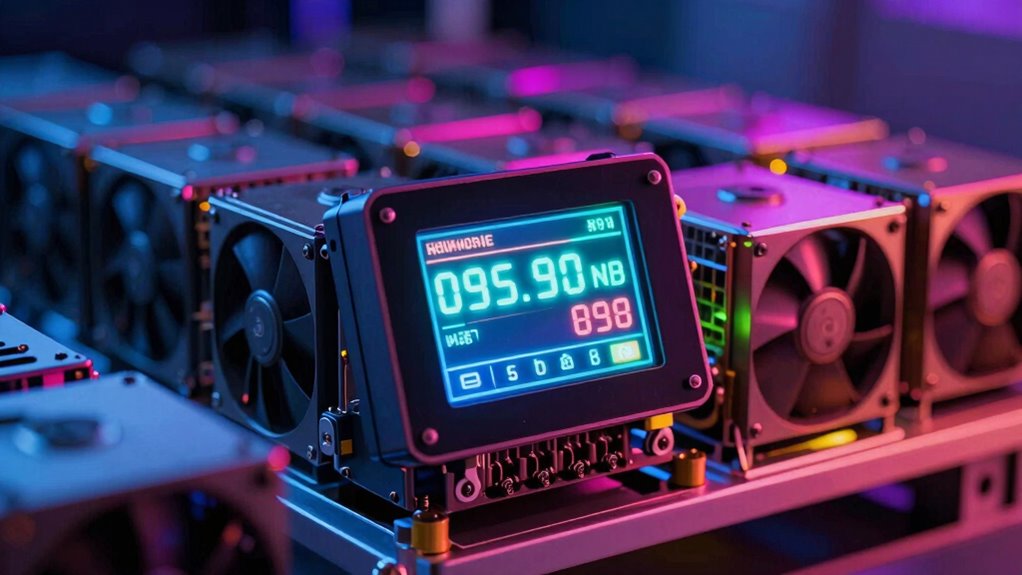
Evaluating whether your mining rig is cost-effective in the long run requires assessing not just its initial investment but also ongoing expenses like electricity, cooling, and maintenance. Market trends influence profitability; for example, declining coin prices or increased network difficulty can reduce returns. Regulatory impacts also play a vital role—new laws may impose restrictions or taxes that cut into profits or make operations more costly. To determine if your rig remains a good investment, consider these factors alongside your energy costs and hardware efficiency. If market conditions shift or regulations tighten, your current setup might no longer be viable. Regularly monitoring these trends helps you decide whether to upgrade, scale back, or pivot your mining strategy for sustained profitability.
As an affiliate, we earn on qualifying purchases.
Maximizing Hardware Durability and Minimizing Maintenance
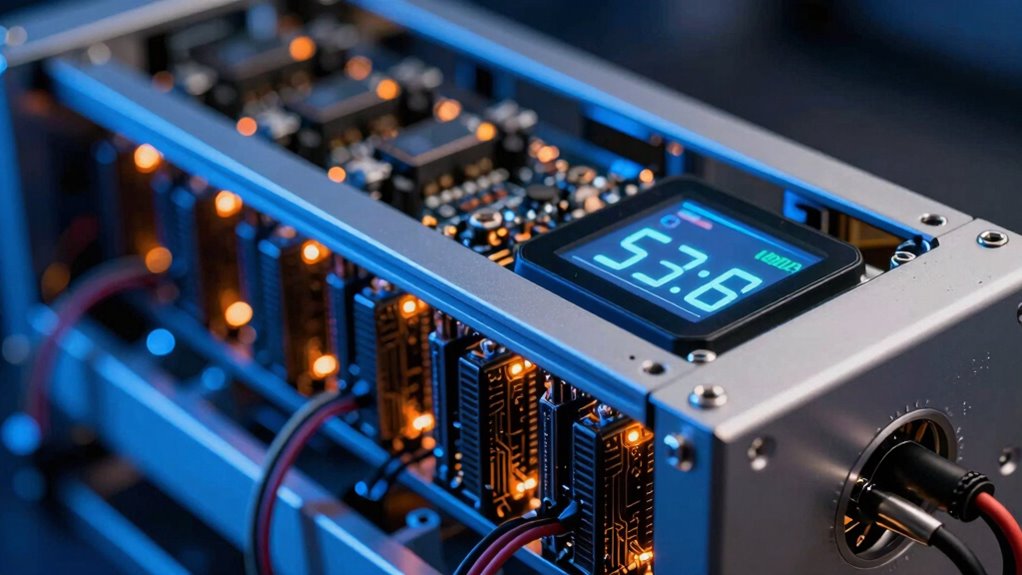
Keeping your mining hardware running smoothly is key to maintaining profitability over time. To maximize hardware durability and minimize maintenance, you need proactive strategies. Regularly check for dust buildup, guarantee proper power supply, and keep firmware updated to prevent unexpected failures. Proper maintenance reduces downtime, helping you stay ahead in mining profitability despite fluctuating cryptocurrency regulation. Additionally, monitoring hardware performance metrics can help identify potential issues before they lead to failure early detection methods. Understanding regional flavors and chicory/coffee insights can also inspire innovative approaches to cooling and energy efficiency in your mining setup, further enhancing hardware longevity. Implementing optimized airflow techniques can significantly improve cooling efficiency, reducing the risk of overheating and extending hardware lifespan. Incorporating anti-fatigue mats and standing desk gear into your workspace can also improve comfort during long maintenance sessions, reducing fatigue and increasing efficiency. Paying attention to hardware cooling solutions can make a notable difference in preventing thermal stress and prolonging device life.
Cooling Solutions and Noise: What You Need to Know
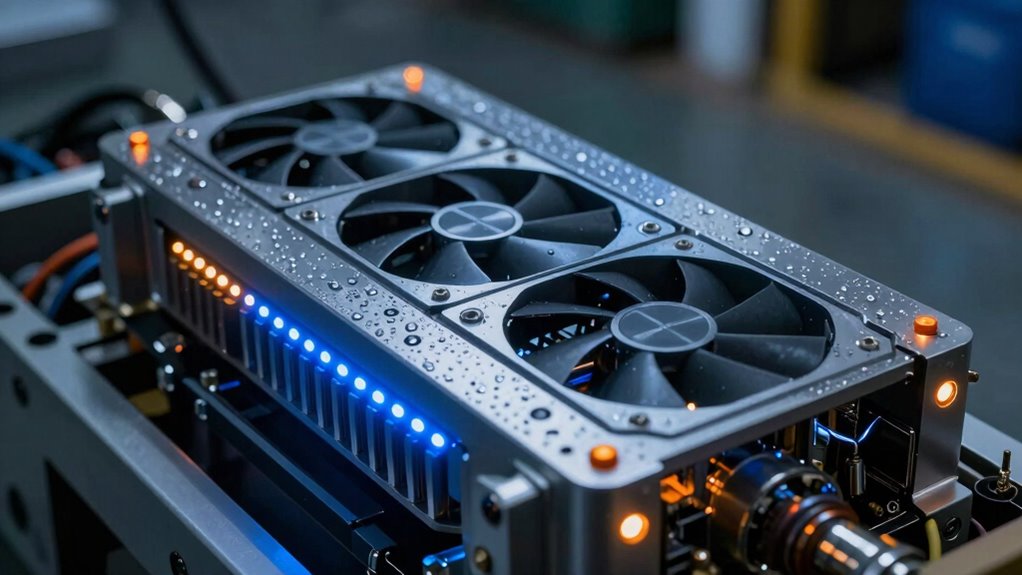
Effective cooling solutions are essential to prevent overheating and guarantee your mining hardware operates at peak performance. Cooling innovations, such as advanced fans, liquid cooling, and heat sinks, help maintain ideal temperatures, reducing wear and prolonging hardware lifespan. Proper cooling also minimizes the risk of downtime caused by thermal shutdowns. Proper airflow management plays a crucial role in optimizing cooling efficiency and reducing noise levels. Additionally, understanding the importance of thermal management can help you select the most effective cooling methods for your setup. Incorporating temperature regulation strategies can further enhance your system’s stability and efficiency. Implementing requirements traceability can assist in tracking the effectiveness of different cooling solutions over time. Noise mitigation is equally important, especially if you’re mining in a shared space. High-performance fans and cooling systems can generate significant noise, so consider quieter options like custom enclosures or sound-dampening materials. Balancing effective cooling with noise control ensures your setup remains efficient without becoming disruptive. Investing in the right cooling solutions not only safeguards your hardware but also creates a more manageable and sustainable mining environment.
Real-World Mining Performance: Beyond the Specs
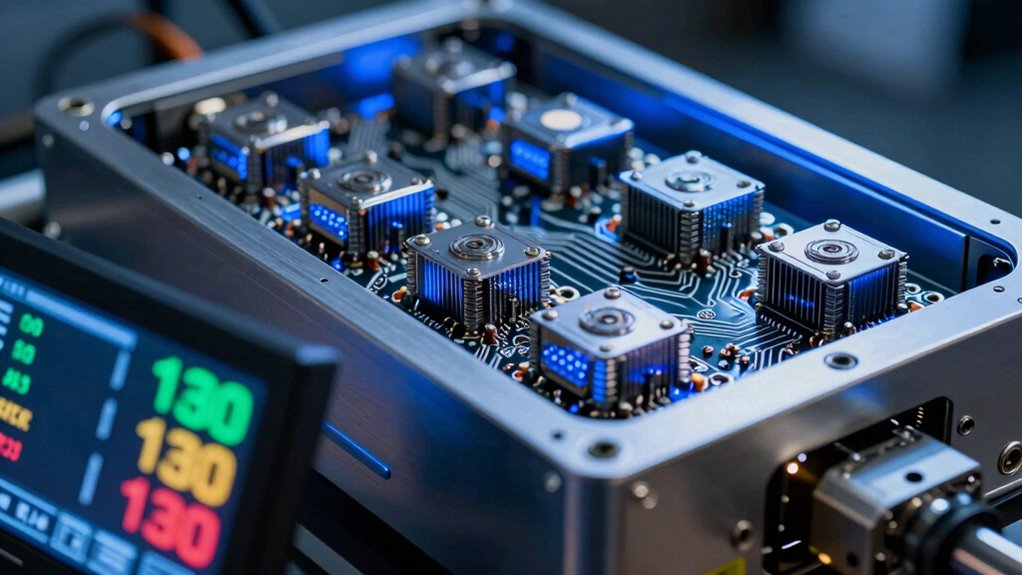
Have you ever wondered how a mining rig performs outside the laboratory specifications? Real-world mining performance depends on factors beyond raw hashrate. You need to consider:
- How mining software optimizes hardware for maximum efficiency
- Stability of blockchain security protocols during continuous operation
- Environmental influences like power fluctuations and cooling effectiveness
- The importance of hardware durability in maintaining consistent mining output over time.
Additionally, hardware compatibility plays a crucial role in ensuring your setup runs smoothly without unexpected issues. Properly managing power consumption can also significantly impact your overall profitability and sustainability of your mining operation. To truly assess a miner’s viability, it’s essential to evaluate how safe and effective system design principles can be integrated into your setup. These elements impact your actual output and profitability. A high hashrate doesn’t guarantee success if the mining software isn’t properly configured or if blockchain security measures cause frequent disruptions. You’ll want to test your setup under real conditions to see how these variables affect your mining performance. Understanding real-world operating conditions helps you determine if a miner is truly worth buying, beyond just looking at specs.
Frequently Asked Questions
How Does Network Difficulty Affect Mining Profitability?
Network difficulty directly affects your mining profitability by controlling how hard it is to solve blocks. When difficulty rises, it requires more computing power, which can lower your profits unless your hashrate increases. This maintains blockchain security and keeps miner incentives balanced. If difficulty drops, you mine more easily, boosting profits. So, understanding difficulty helps you gauge whether your mining setup remains profitable and supports the network’s health.
What Is the Impact of Electricity Rates on Mining Returns?
Imagine electricity rates are the gatekeeper of your mining profits. Lower rates boost your returns, while higher costs eat into your gains. Your energy consumption matters, especially if you tap into renewable sources, which can lower expenses and make mining more sustainable. Opting for cheaper, greener power isn’t just good for the planet—it’s a smart move to maximize your profitability and guarantee your mining operation stays competitive.
How Do Mining Pool Fees Influence Overall Earnings?
Mining pool fees directly reduce your overall earnings. When you join a mining pool, you agree to a fee structure that takes a percentage of your mined rewards. This fee can vary between pools, so it’s essential to choose one with a fair fee structure that balances cost and benefits. Higher fees might mean more reliable pools or better payout systems, but they’ll cut into your profits.
Can Hardware Upgrades Significantly Improve Mining Efficiency?
Upgrading hardware can considerably boost your mining efficiency, but it’s a balancing act. Improved hardware longevity means better performance over time, while advanced cooling solutions prevent overheating and maintain ideal operations. These upgrades reduce downtime and increase productivity, making your investment more worthwhile. However, consider the costs and potential energy savings to guarantee that your hardware improvements truly enhance your mining profitability in the long run.
What Are the Environmental Considerations of Large-Scale Mining?
You should consider the environmental impact of large-scale mining, especially its carbon footprint. Using renewable energy sources can drastically reduce emissions, making mining more sustainable. Without renewable energy, mining consumes vast amounts of electricity, harming the environment. As a miner, you’re responsible for minimizing your ecological footprint by choosing cleaner energy options and advocating for sustainable practices within the industry. This helps balance profitability with environmental responsibility.
Conclusion
Think of mining hardware as a finely tuned sports car. A flashy speedometer (hashrate) might catch your eye, but without the engine’s efficiency, cooling, and durability, that speed won’t get you far. To truly win the race, you need a balanced setup that performs well over time, not just in the moment. Focus on the whole package—power, heat, noise, and longevity—and your mining investment will steer you toward consistent success.
Fall Picks
fall essentials
As an affiliate, we earn on qualifying purchases.