

Public blockchains are open to anyone, allowing universal participation and promoting transparency, but they can be slower and less private. Private blockchains restrict access, offering greater privacy and faster transaction speeds, making them ideal for organizations needing control. The choice depends on whether you value openness and decentralization or confidentiality and efficiency. To understand how each type fits different needs and their advantages, keep exploring these blockchain options further.
Key Takeaways
- Public blockchains are open to anyone, promoting transparency and decentralization, while private blockchains restrict access for privacy and control.
- Public networks use proof of work or proof of stake, whereas private networks often employ faster, energy-efficient consensus algorithms like BFT.
- Public blockchains prioritize transparency but may have scalability issues; private blockchains offer higher performance and data privacy.
- Use cases for public blockchains include cryptocurrencies and open record-keeping; private blockchains suit enterprise data management.
- The choice depends on whether the need for openness and decentralization (public) or confidentiality and efficiency (private) is more important.

Have you ever wondered how different blockchain networks operate and what sets them apart? At the core, the way these networks handle consensus mechanisms and data privacy plays a vital role in defining their characteristics. Public blockchains, like Bitcoin or Ethereum, operate on open-source protocols where anyone can participate. They rely on decentralized consensus mechanisms such as proof of work or proof of stake, which ensure that all transactions are verified and agreed upon by multiple participants. This process promotes transparency, making it nearly impossible for any single entity to manipulate the data. However, this openness comes with trade-offs, especially concerning data privacy. Since anyone can access and view the blockchain’s data, sensitive information isn’t protected unless additional encryption measures are employed. This transparency is perfect for applications that value openness and decentralization, but it might not suit use cases demanding confidentiality. Additionally, the scalability of public blockchains can sometimes be limited due to their consensus requirements and widespread participation.
In contrast, private blockchains restrict access to a select group of participants, often used by businesses and organizations seeking control over their data. These networks employ different consensus mechanisms, such as Byzantine Fault Tolerance (BFT) algorithms, which are faster and more energy-efficient than proof-based methods. Because the network is permissioned, transaction validation can be more streamlined, and the system can enforce stricter data privacy controls. This setup allows organizations to keep sensitive information confidential while still benefiting from blockchain’s immutability and transparency within their closed environment. You’ll find that private blockchains are typically more scalable and better suited for enterprise use, where privacy and performance are top priorities.
Understanding these fundamental differences helps you decide which type of blockchain best fits your needs. Public networks excel in transparency and decentralization, making them ideal for open applications like cryptocurrencies and public record-keeping. Meanwhile, private blockchains offer greater control over data privacy and faster transaction speeds, which are vital for corporate or organizational use cases. Both types leverage unique consensus mechanisms tailored to their goals: public blockchains emphasize broad participation and security, whereas private blockchains prioritize efficiency and confidentiality. Recognizing how these mechanisms influence data privacy gives you a clearer picture of their strengths and limitations. Ultimately, your choice depends on whether you value openness and decentralization or control and privacy most. By understanding how different blockchain networks operate, you can better evaluate which aligns with your specific objectives and security requirements.
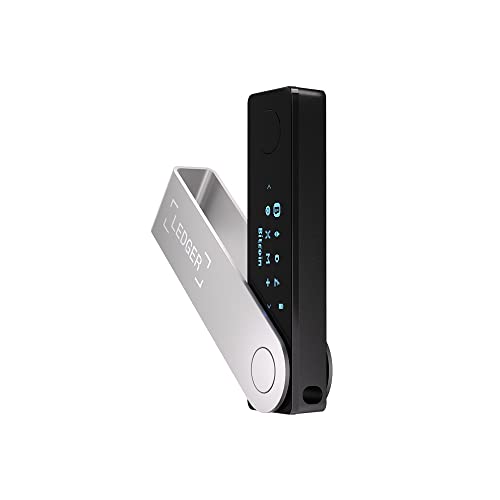
Ledger Nano X – Classic Crypto Wallet with Bluetooth
- All-in-One Crypto Management: Buy, sell, send, receive, swap, stake
- Supports 15,000+ Coins & Tokens: Manage a wide range of cryptocurrencies
- Market Monitoring & Alerts: Track performance and get timely updates
As an affiliate, we earn on qualifying purchases.
As an affiliate, we earn on qualifying purchases.
Frequently Asked Questions
How Do Consensus Mechanisms Differ Between Public and Private Blockchains?
You’ll find that consensus algorithms differ between public and private blockchains because public ones rely on trustless models like proof of work or proof of stake, ensuring security without a central authority. Private blockchains, however, use more permissioned consensus mechanisms like practical Byzantine Fault Tolerance, which depend on established trust among participants. This makes private blockchains faster and more efficient, while public ones prioritize decentralization and security.
What Are the Security Implications of Using Public Versus Private Blockchains?
Did you know that 60% of organizations prefer private blockchains for better security? Using public blockchains, you face increased risks because anyone can access data, even with token control, which limits some access. Data encryption helps protect information, but public chains are more vulnerable to attacks. Private blockchains offer better control and security, reducing risks, but they might be less transparent. Choose based on your security needs and trust levels.
Can Private Blockchains Be Integrated With Existing Enterprise Systems?
Yes, private blockchains can be integrated with your existing enterprise systems. This supports seamless enterprise integration, allowing you to leverage blockchain benefits like transparency and security while maintaining control. Data privacy remains a priority, as private blockchains restrict access to authorized users, ensuring sensitive information stays protected. You can connect private blockchains with your current infrastructure, making them a flexible and secure option for modern enterprise needs.
How Does Scalability Vary Between Public and Private Blockchain Networks?
Imagine a private blockchain for a supply chain, where you prioritize speed. You’ll notice it offers higher scalability due to lower network latency and fewer participants. Public blockchains, like Bitcoin, handle more token standards but face scalability issues from high network latency and congestion. So, your private network can process transactions faster, making it ideal for enterprise use, while public ones support diverse token standards but struggle with scalability.
What Are the Cost Differences for Maintaining Public and Private Blockchains?
You’ll find that maintenance expenses for public blockchains tend to be higher due to their decentralized nature, requiring extensive infrastructure and energy costs. In contrast, private blockchains typically have lower cost comparisons because they operate with fewer nodes and simplified governance. As a result, private networks often save money on operational expenses, making them more cost-effective for organizations seeking efficiency without sacrificing security or control.

Solutions Architect's Handbook: Kick-start your career with architecture design principles, strategies, and generative AI techniques
As an affiliate, we earn on qualifying purchases.
As an affiliate, we earn on qualifying purchases.
Conclusion
In the battle between public and private blockchains, the choice truly depends on your needs—transparency versus control. Like a chess game, each has its strategic advantages, and understanding their differences helps you make the right move. Remember, the right blockchain isn’t just about technology; it’s about aligning with your goals. So, will you embrace the openness of a public chain or the privacy of a private one? The decision is yours—choose wisely.
private blockchain development kit
As an affiliate, we earn on qualifying purchases.
As an affiliate, we earn on qualifying purchases.
As an affiliate, we earn on qualifying purchases.