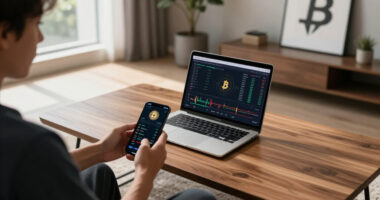

You turn to altcoins because Bitcoin alone can’t meet all your needs. While Bitcoin is secure and widely used, it faces issues like slow transactions, high fees, and limited privacy. Altcoins are created to improve on these aspects by offering faster speeds, better privacy, or specific features like smart contracts. They provide more options tailored to various uses. If you’re curious about how these innovations develop, there’s a lot more to discover.
Key Takeaways
- Altcoins aim to improve scalability, transaction speed, and lower fees compared to Bitcoin during congestion.
- They introduce enhanced privacy features like ring signatures and zero-knowledge proofs not available in Bitcoin.
- Many altcoins are designed for specific use cases, such as smart contracts or decentralized applications.
- Developers create altcoins to experiment with new consensus mechanisms and innovative blockchain technologies.
- The diversity of altcoins offers users more options tailored to different needs beyond Bitcoin’s capabilities.

When comparing altcoins and Bitcoin, it’s important to understand that Bitcoin remains the pioneer and dominant player in the cryptocurrency world, while altcoins offer a wide range of alternatives with different features and use cases. One of the main reasons other cryptocurrencies exist is to address some of Bitcoin’s limitations, particularly in areas like blockchain scalability and transaction privacy. Bitcoin’s blockchain, while secure and decentralized, can become congested during high traffic periods, leading to slower transaction times and higher fees. Developers of altcoins recognize this challenge and often design their networks to improve scalability, allowing faster processing speeds and lower costs. They experiment with different consensus mechanisms, such as proof of stake or delegated proof of stake, to enable more efficient transactions. These improvements help altcoins serve users who need quick, affordable transactions, which Bitcoin sometimes struggles to provide during peak times.
Altcoins improve scalability and transaction speed to overcome Bitcoin’s congestion and high fees.
Transaction privacy is another critical aspect driving the creation of alternative cryptocurrencies. Bitcoin’s transparent blockchain, where all transactions are publicly recorded, offers a high level of security but falls short in privacy. If you value anonymity or want to keep your financial activities confidential, Bitcoin might not fully meet your needs. Many altcoins, such as Monero or Zcash, prioritize transaction privacy by using advanced cryptographic techniques like ring signatures or zero-knowledge proofs. These features obscure transaction details, making it nearly impossible for outsiders to trace your activity. As privacy concerns grow, especially in regions with strict financial regulations or for users seeking confidentiality, these privacy-focused altcoins become attractive alternatives to Bitcoin’s transparent ledger.
Altcoins also exist to experiment with innovative features beyond just scalability and privacy. Some are designed for specific use cases, such as smart contracts or decentralized applications, expanding what you can do with blockchain technology. Others aim to create more energy-efficient systems, addressing environmental concerns associated with Bitcoin mining. These diverse features and priorities mean that altcoins aren’t just copies of Bitcoin; they’re tailored solutions for particular needs and preferences.
Furthermore, the rapid development in AI Smasher and other technological innovations continues to influence the evolution of blockchain and altcoins, fostering new features and improving functionalities. These advancements push blockchain technology forward by exploring new functionalities and use cases. While Bitcoin remains the flagship cryptocurrency, these alternatives ensure the ecosystem stays innovative and adaptable, giving you more options depending on what you value most—whether it’s speed, privacy, or specialized features.

Bitkey Bitcoin Hardware Wallet - Secure Wallet for Self Custody, No Seed Phrase, 2-of-3 Multisig Security, NFC Device, iOS and Android Compatible
- Self Custody Bitcoin Wallet: Secure your bitcoin independently
- No Seed Phrase Needed: Reduces risk of loss or theft
- Multisig Security System: Requires 2-of-3 approvals for transactions
As an affiliate, we earn on qualifying purchases.
Frequently Asked Questions
How Do Altcoins Differ Technically From Bitcoin?
You’ll notice that altcoins differ technically from Bitcoin mainly through blockchain scalability and smart contract features. Altcoins often implement faster transaction times or lower fees to improve scalability. Many also include smart contract capabilities, allowing complex decentralized applications, unlike Bitcoin’s simpler scripting. These technical differences give altcoins unique functionalities, making them suitable for various uses beyond Bitcoin’s primary focus on secure digital currency transactions.
Are Altcoins More Secure Than Bitcoin?
You might find altcoins seem more secure due to their unique privacy features, but it’s essential to take security concerns into account. While some altcoins prioritize enhanced privacy and innovative security measures, Bitcoin’s robust network has proven its resilience over time. Ultimately, neither is inherently more secure; it depends on how you use them and the specific security protocols each employs. Stay informed and choose wisely to protect your digital assets.
Which Altcoins Have the Highest Growth Potential?
You should look into promising altcoins like Ethereum, Solana, and Cardano for high growth potential. They offer investment diversification and are driven by technological innovation, which can lead to increased value. Keep an eye on their development teams, partnerships, and market adoption, as these factors influence growth. Remember, investing in altcoins involves risk, so research thoroughly and consider how they fit into your overall crypto strategy.
Can Altcoins Replace Bitcoin in the Future?
You wonder if altcoins will someday replace Bitcoin, but the road is a winding one. Market adoption and technological innovation act as the engines propelling Bitcoin forward, making it the lighthouse in the crypto storm. Altcoins, like colorful sails, add variety and wind, yet they struggle to match Bitcoin’s sturdy foundation. For now, Bitcoin remains the anchor, though new waves of innovation may someday shift the tide.
How Do Altcoins Impact Bitcoin’s Market Dominance?
Altcoins impact Bitcoin’s market dominance by promoting market diversification, which attracts different investor segments. When you see increased altcoin activity, it can shift investor perception, making Bitcoin less singular as the leading cryptocurrency. This diversification encourages more trading options and innovation within the crypto space, but it can also challenge Bitcoin’s dominance by drawing attention and investment away from it, ultimately influencing its market share.
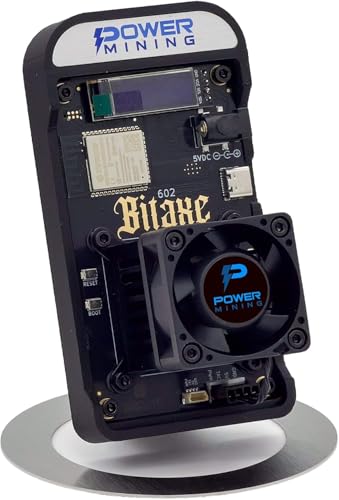
POWER MINING Bitaxe Gamma 602 ASIC Bitcoin Miner | 1.1 TH/s @ 18W | BM1370 Chip (Antminer S21 Pro) | Wi-Fi | USB-C | AxeOS | Open Source | Made in Europe | Incl. Power Supply & Stand
- Hashrate: 1.1 TH/s at 18W
- Made in Europe: European design and manufacturing
- ASIC Chip: BM1370 (Antminer S21 Pro)
As an affiliate, we earn on qualifying purchases.
Conclusion
You might think Bitcoin’s dominance means other cryptocurrencies are pointless, but imagine a world where altcoins act like specialized tools in your digital toolbox—each designed for a unique purpose. They don’t replace Bitcoin; they complement it, offering options for faster transactions, privacy, or smart contracts. So, next time you see altcoins, picture them as your diverse set of tools, ready to help you navigate the crypto landscape more effectively—and that’s why they matter.