

ERC-20 tokens are the standard digital assets on Ethereum that let you create, transfer, and manage tokens easily across various applications and platforms. They provide a uniform set of rules ensuring compatibility with wallets, exchanges, and dApps, making your transactions smooth. By building on Ethereum’s infrastructure, these tokens support faster project launches and promote broader adoption within the digital economy. If you want to understand how they power the ecosystem, there’s more to uncover as you explore further.
Key Takeaways
- ERC-20 tokens are a standardized type of digital asset on Ethereum, enabling easy creation and management of tokens.
- They follow a common protocol ensuring compatibility across wallets, exchanges, and decentralized apps.
- ERC-20 tokens facilitate seamless transfer, issuance, and interaction within the Ethereum ecosystem.
- They accelerate blockchain project deployment by providing a uniform framework, reducing development complexity.
- As foundational building blocks, ERC-20 tokens drive innovation, liquidity, and adoption in the Ethereum digital economy.

Have you ever wondered what makes ERC-20 tokens the industry standard for creating and managing digital assets on the Ethereum blockchain? The answer lies in their design as a set of token standards, which provide a common blueprint for developers to follow. These standards ensure that tokens are compatible across various applications and platforms, making it easier to create, transfer, and interact with digital assets seamlessly. By adhering to the ERC-20 protocol, developers can deploy tokens that work smoothly within the Ethereum ecosystem, promoting interoperability and user trust. This uniform framework simplifies integration, allowing wallets, exchanges, and decentralized applications (dApps) to recognize and handle ERC-20 tokens effortlessly.
ERC-20 tokens provide a standard blueprint that ensures seamless compatibility and interoperability across Ethereum applications and platforms.
One of the key reasons ERC-20 tokens have become so popular is their role in advancing blockchain scalability. As the Ethereum network grew, it faced challenges related to transaction congestion and high fees, which could hinder the widespread adoption of blockchain-based assets. ERC-20 tokens address these issues by enabling a standardized way to implement assets without requiring extensive modifications to the underlying blockchain. This standardization streamlines token creation and management, reducing the complexity and overhead that can slow down transactions. While it doesn’t directly solve all scalability concerns, the ERC-20 protocol helps improve efficiency by enabling developers to build on top of Ethereum’s existing infrastructure more effectively.
Moreover, the simplicity of ERC-20 tokens means that new projects can launch quickly and reliably, fueling innovation without overwhelming the network. Developers can focus on building their applications rather than reinventing the wheel for each token. This accelerates the deployment of decentralized finance (DeFi) projects, initial coin offerings (ICOs), and other blockchain initiatives, which in turn drives broader adoption. As more projects adopt ERC-20 tokens, the Ethereum network benefits from increased utility and liquidity, although it also highlights the importance of ongoing scalability solutions like layer 2 technologies and sharding to handle growing demand.
In essence, ERC-20 tokens serve as the backbone for a thriving digital economy within Ethereum. They exemplify how standardization can foster growth, interoperability, and efficiency across a complex blockchain ecosystem. Understanding the token standards and their impact on blockchain scalability helps you grasp why ERC-20 remains the foundation for countless projects and why it continues to shape the future of digital assets.
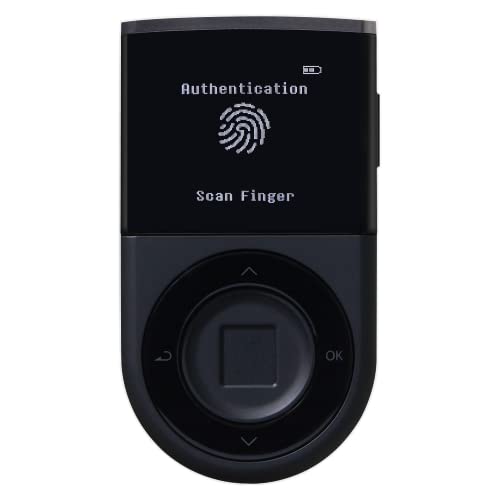
D'CENT Hardware Wallet – Biometric Cold Wallet for Crypto with Fingerprint Authentication | Secure Bluetooth Storage for Bitcoin, Ethereum, XRP, XDC, Solana, Stablecoins & More
UNMATCHED SECURITY WITH BIOMETRIC PROTECTION - Protect your crypto with certified EAL5+ Secure Element chip and advanced fingerprint...
As an affiliate, we earn on qualifying purchases.
Frequently Asked Questions
How Do ERC-20 Tokens Differ From Other Ethereum Tokens?
You’ll find that ERC-20 tokens differ from other Ethereum tokens because they follow a specific token standard that guarantees consistency and compatibility. This standard makes them easier to trade and integrate across various platforms, enhancing blockchain interoperability. Unlike custom tokens with unique rules, ERC-20 tokens adhere to uniform protocols, simplifying development and usage, which is why they’re widely adopted for creating various decentralized applications and digital assets on the Ethereum network.
Can ERC-20 Tokens Be Used Outside of Ethereum?
Like a key opening multiple doors, ERC-20 tokens can’t directly work outside Ethereum. They’re primarily designed for Ethereum’s ecosystem, but you can enable cross-chain compatibility through bridges or wrapped tokens. These allow you to use your tokens on alternative blockchain platforms, expanding their utility. However, this process involves extra steps, and not all tokens are supported everywhere, so always check if your tokens are compatible with the platform you’re interested in.
What Are Common Security Risks With ERC-20 Tokens?
You should be aware of common security risks with ERC-20 tokens, such as smart contract vulnerabilities that can lead to funds being stolen or lost. Phishing scams also pose a threat, tricking you into revealing private keys or approving malicious transactions. Always verify the authenticity of tokens and platforms before interacting, and avoid clicking suspicious links to protect your assets from these security risks.
How Can I Create My Own ERC-20 Token?
You can create your own ERC-20 token by writing a smart contract that follows the token standard compliance, ensuring compatibility with Ethereum wallets and exchanges. Start with deploying a smart contract using Solidity on the Ethereum network, then customize its functions like total supply and transfer rules. While it’s exciting to build, remember that deploying a secure, standards-compliant contract is essential, like laying a solid foundation before constructing a skyscraper.
Are There Transaction Fees Associated With ERC-20 Tokens?
Yes, there are transaction fees associated with ERC-20 tokens. You’ll encounter transaction costs, which cover the fee structure for processing your transfers on the Ethereum network. These fees fluctuate depending on network congestion and gas prices. When you send or receive ERC-20 tokens, you pay these transaction costs, ensuring your transaction gets confirmed. Always check current gas prices to avoid high fees and make your transactions more cost-effective.

ELLIPAL X Card – Air Gapped Crypto Cold Wallet with Starter Accessory Kit,Secure Offline Storage for Bitcoin, Ethereum,NFTs & 10,000+ tokens
ELLIPAL X-Card:The ELLIPAL X-Card is a cold wallet utilizing air-gapped technology to generate your seed phrase. Featuring a...
As an affiliate, we earn on qualifying purchases.
Conclusion
Now that you understand ERC-20 tokens, it’s like you’ve revealed the blueprint to Ethereum’s bustling city. These tokens are the building blocks, turning ideas into digital assets and fueling innovation. As you explore further, remember they’re the heartbeat of countless decentralized projects, making the crypto world feel like an endless playground. With ERC-20 tokens, you hold the key to shaping the future of blockchain, one token at a time.

D'CENT Hardware Wallet – Biometric Cold Wallet for Crypto with Fingerprint Authentication | Secure Bluetooth Storage for Bitcoin, Ethereum, XRP, XDC, Solana, Stablecoins & More. (Double unit)
UNMATCHED SECURITY WITH BIOMETRIC PROTECTION - Protect your crypto with certified EAL5+ Secure Element chip and advanced fingerprint...
As an affiliate, we earn on qualifying purchases.

ELLIPAL Titan 2.0 Crypto Cold Wallet - 100% Offline Hardware Wallet with Air-Gapped Technology, Cold Storage for Bitcoin, ETH, SOL, NFT & 10,000+ Coins and Tokens(Golden)
HODL SAFE: Utilizing air-gapped technology, your private keys remain completely offline within this advanced cold wallet for maximum...
As an affiliate, we earn on qualifying purchases.