Smart contracts are the backbone of decentralized finance, automating transactions and rules directly on blockchain networks without intermediaries. They run on code that self-executes when conditions are met, ensuring trustless and transparent operations. Token standards allow seamless asset management and interoperability across platforms. Coupled with governance models, they create a secure, transparent, and community-driven ecosystem. If you want to understand how this all connects and functions seamlessly, keep exploring how code powers DeFi’s innovation.
Key Takeaways
- Smart contracts automate DeFi transactions by executing code on blockchain without intermediaries.
- They enforce rules transparently, ensuring trustless and tamper-proof financial operations.
- Token standards like ERC-20 enable interoperability and reliable asset management within DeFi apps.
- Governance models use smart contracts to allow community voting and protocol upgrades automatically.
- The combination of smart contracts and token standards creates a decentralized, self-governing financial ecosystem.

Have you ever wondered how decentralized finance (DeFi) platforms operate without traditional intermediaries? The answer lies in smart contracts—self-executing code that automates transactions and rules directly on blockchain networks. These digital agreements replace banks, brokers, and other middlemen, guaranteeing transparency and trustlessness. But for these smart contracts to function effectively across the vast landscape of DeFi, they rely heavily on established standards and governance models that keep everything streamlined and secure.
Token standards are vital in this ecosystem. Think of them as the blueprints for creating digital assets that are compatible across different platforms. Standards like ERC-20 for fungible tokens or ERC-721 for non-fungible tokens (NFTs) set the rules on how tokens behave, enabling interoperability and ease of use. When you interact with DeFi protocols, these standards ensure that tokens can be easily transferred, traded, or used as collateral without compatibility issues. They also help developers build more reliable and secure smart contracts, because following well-defined standards minimizes bugs and vulnerabilities. Additionally, token standards facilitate the integration of new features and enhancements, ensuring the longevity and adaptability of DeFi applications.
Token standards like ERC-20 and ERC-721 ensure interoperability, security, and reliability across DeFi platforms.
Governance models play an essential role in how DeFi platforms evolve and adapt. Unlike traditional systems where decision-making power resides in a few hands, governance models in DeFi involve token holders who vote on proposals that affect the protocol’s future. You might participate in governance by staking your tokens or submitting proposals for changes, such as adjusting interest rates or adding new features. This decentralized approach democratizes control, making the platform more resilient and aligned with the community’s interests. Smart contracts automate the execution of these votes, ensuring that once a decision is made, it’s implemented transparently and without delay.
Together, token standards and governance models create a robust infrastructure for DeFi. Token standards ensure that digital assets are interoperable and reliable, while governance models empower users to influence platform development. When combined with smart contracts, they form a decentralized, automated system that functions without the need for traditional financial institutions. You can think of it as a self-governing financial network where code enforces rules, manages assets, and adapts to community input.
In essence, smart contracts, supported by standardized tokens and democratic governance, enable DeFi to run smoothly and securely. They eliminate middlemen, reduce costs, and foster a more open financial system. As a user, you benefit from this innovation through increased control over your assets and participation in the platform’s growth—all powered by code that’s transparent, immutable, and self-executing.
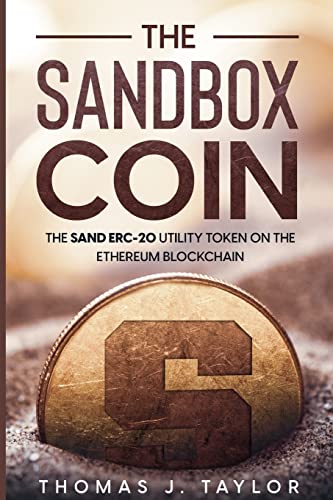
The Sandbox Coin: The SAND ERC-20 Utility Token on the Ethereum Blockchain
As an affiliate, we earn on qualifying purchases.
As an affiliate, we earn on qualifying purchases.
Frequently Asked Questions
How Do Smart Contracts Handle Disputes or Errors?
Smart contracts handle disputes or errors through built-in error handling and dispute resolution mechanisms. You can program them to automatically revert transactions if conditions aren’t met, preventing errors. For disputes, some smart contracts incorporate decentralized arbitration services or multisignature wallets, allowing participants to resolve conflicts fairly. These features guarantee the contract’s integrity remains intact, reducing the need for intermediaries and enabling trustless, transparent error handling and dispute resolution.
What Are the Best Security Practices for Deploying Smart Contracts?
To guarantee your smart contract is secure, you should conduct thorough smart contract auditing before deployment, catching vulnerabilities early. Follow secure coding standards to minimize risks, such as avoiding reentrancy and overflow bugs. Test your code extensively on testnets, and consider third-party audits for extra assurance. Regularly update and monitor your deployed contracts, and implement fallback mechanisms to handle unexpected errors, keeping your DeFi project safe from exploits.
How Do Smart Contracts Interact With Off-Chain Data?
You might think smart contracts can’t access off-chain data directly, but oracle integration makes it possible. Oracles securely fetch and verify external information, feeding it into contracts. For off-chain computation, specialized services process data outside the blockchain, then send results back to the contract. This setup guarantees your smart contract can react to real-world events and data, enabling more dynamic and useful decentralized finance applications.
Can Smart Contracts Be Upgraded or Modified After Deployment?
You can’t directly modify a smart contract after deployment, but you can use contract versioning and upgrade mechanisms. These allow you to deploy a new contract version and switch to it, often via proxy patterns or upgradeable frameworks. This way, you maintain control over your DeFi project, enabling improvements or fixes without losing existing data or user trust, ensuring your smart contracts stay flexible and adaptable over time.
What Are the Common Vulnerabilities in Defi Smart Contracts?
You should be aware that common vulnerabilities in DeFi smart contracts include oracle attacks, where external data is manipulated, and reentrancy vulnerabilities, which allow attackers to repeatedly call functions before others finish. These issues can lead to significant losses or contract failure. To protect your smart contracts, always implement secure coding practices, use reputable oracles, and include proper reentrancy guards. Staying vigilant helps prevent these common DeFi threats.

NFT for Beginners: The Ultimate Guide to Non-Fungible Tokens (Digital Art, Crypto and Collectibles)
As an affiliate, we earn on qualifying purchases.
As an affiliate, we earn on qualifying purchases.
Conclusion
As you plunge into DeFi, remember smart contracts are the heart that keeps it beating. They automate, secure, and empower your financial journey—without middlemen, without delays. Like the steady pulse of a new era, they turn code into trust, transforming finance into freedom. Embrace the simplicity, the power, the promise—because in this digital dance, your future is written in the language of smart contracts, and it’s waiting for you to lead.

Beginning Solidity: Learn to Program Smart Contracts with Solidity (Tech Today)
As an affiliate, we earn on qualifying purchases.
As an affiliate, we earn on qualifying purchases.
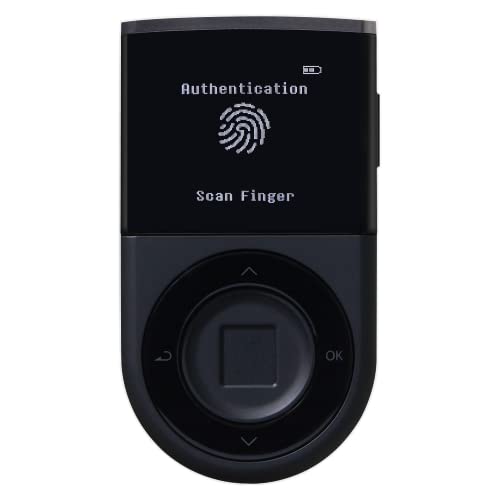
D'CENT Hardware Wallet | Biometric Cold Storage, Bluetooth, Multi-Crypto
- Secure Element with Fingerprint: EAL5+ certified chip with biometric protection
- Supports 4,900+ Assets: Compatible with over 100 blockchains and NFTs
- Bluetooth Mobile Management: Tap-to-sign via D'CENT app for easy control
As an affiliate, we earn on qualifying purchases.
As an affiliate, we earn on qualifying purchases.