
Choosing between desktop and mobile crypto wallets depends on your security and convenience preferences. Desktop wallets are better if you want strong security and detailed control over larger assets, while mobile wallets offer quick, easy access for everyday transactions on the go. If you prioritize security, desktop options with hardware integration can be ideal. For more tips on choosing the right wallet for your needs, explore the details ahead.
Key Takeaways
- Desktop wallets offer advanced security features and are ideal for managing large assets and conducting complex transactions.
- Mobile wallets provide quick, on-the-go access with a simple interface, suitable for frequent small transactions.
- Desktop wallets typically have more comprehensive security options, including hardware wallet integration and offline storage.
- Mobile wallets are more vulnerable to theft or device hacking but include convenient features like biometric authentication.
- Choose a desktop wallet if security and detailed management matter most; opt for a mobile wallet for portability and everyday use.
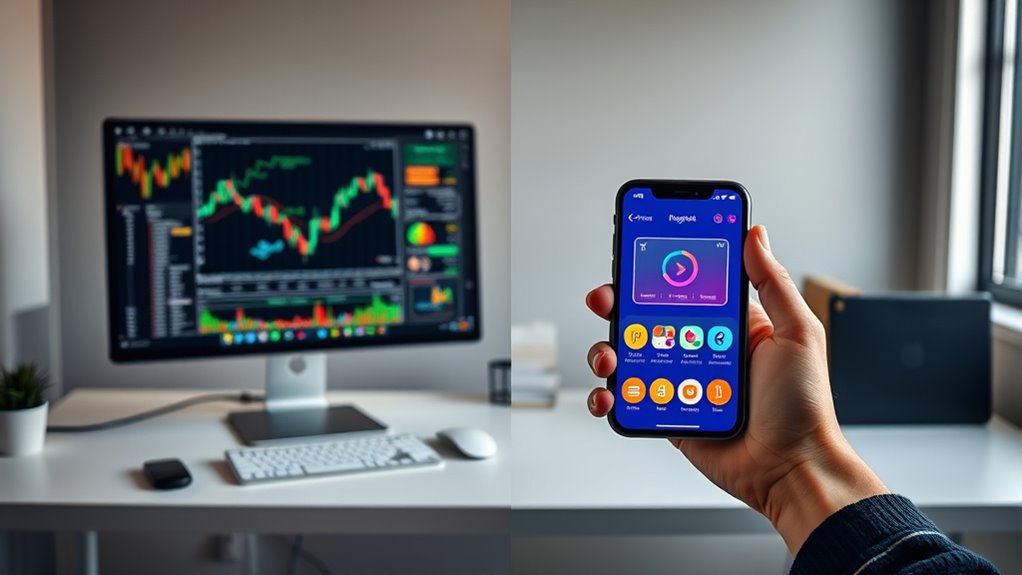
When choosing a crypto wallet, understanding the differences between desktop and mobile options is essential. Your decision hinges on how you prioritize security features and the user interface, which directly impact your experience and safety. Desktop wallets are typically installed on your computer, offering a more robust environment for managing larger sums and advanced transactions. These wallets often feature enhanced security options, such as hardware integrations and multi-layer authentication, making them a solid choice if you prioritize security. The user interface on desktop wallets is generally more exhaustive, providing detailed dashboards, transaction histories, and customization options that suit seasoned users. This can make managing complex portfolios easier and more intuitive, especially if you’re comfortable navigating more sophisticated software. Additionally, desktop wallets are less vulnerable to common mobile security threats, making them a reliable option for safeguarding significant assets.
On the other hand, mobile wallets focus on convenience and accessibility. You carry your wallet with you wherever you go, enabling quick transactions and easy access to your funds at any time. The user interface on mobile wallets is designed to be simple and straightforward, often optimized for touchscreens to make sending or receiving crypto quick and effortless. While mobile wallets may have fewer advanced security features compared to desktop versions, they often incorporate essential protections such as PIN codes, biometric authentication, and encryption to keep your assets safe. These security features are essential because mobile devices are more susceptible to theft or loss, so the best mobile wallets balance ease of use with critical security measures. Many mobile wallets also leverage best practices in security to help protect users’ assets in case of device theft or hacking attempts.
Choosing between the two depends on your lifestyle and security needs. If you’re someone who regularly trades large amounts or prefers detailed control over your holdings, a desktop wallet might be the better fit. It offers a more secure environment against online threats, especially if used with hardware wallets or offline storage options. Conversely, if you prioritize quick access, frequent transactions, and portability, a mobile wallet makes sense. It’s perfect for everyday spending and on-the-go management, as long as you’re attentive to the security features in place.

TANGEM Crypto Wallet Pack of 2 – Trusted Cold Storage Hardware Wallet
- Proven Security: Over 9 years of secure card issuance
- Offline Cold Storage: 100% offline hardware wallet for crypto security
- Universal Blockchain Access: Manage 90 blockchains with one tap
As an affiliate, we earn on qualifying purchases.
As an affiliate, we earn on qualifying purchases.
Frequently Asked Questions
Can I Use Both Desktop and Mobile Wallets Simultaneously?
Yes, you can use both desktop and mobile wallets simultaneously. Cross-platform synchronization lets you manage your crypto assets seamlessly across devices. Be aware of user experience differences—desktop wallets often offer more features, while mobile wallets prioritize convenience. Using both can enhance your security and flexibility, allowing you to access your funds anytime. Just make certain you choose wallets that support synchronization and keep your private keys secure.
Which Wallet Type Offers Better Security Against Hacking?
A hardware wallet offers better security against hacking because it uses hardware security and advanced encryption methods to protect your private keys. Unlike desktop or mobile wallets, which are connected to the internet and vulnerable to malware, hardware wallets keep your keys offline. This isolation minimizes hacking risks, making them the safest choice for long-term storage and high-value assets. You should consider a hardware wallet if security is your top priority.
Are Desktop Wallets Suitable for Long-Term Storage?
Think of a desktop wallet as a sturdy vault—great for long-term storage if you prioritize hardware security. You can keep your crypto safe from online threats while enjoying user convenience when managing your assets. However, it’s not as portable as mobile wallets, so if you need quick access or frequent transactions, it might not be the best fit. Use it wisely, balancing security with your long-term goals.
How Do Wallet Backups Differ Between Desktop and Mobile?
You’ll find that backups for desktop wallets often involve encrypting your seed phrase with higher encryption standards, making them secure but sometimes complex to restore. Mobile wallets, on the other hand, usually simplify backups through user-friendly interfaces, often allowing cloud sync or easy seed recovery. While desktop backups prioritize security, mobile backups focus on convenience, so choose based on your comfort with encryption and interface ease.
Can I Transfer Funds Easily Between Desktop and Mobile Wallets?
Yes, you can transfer funds easily between desktop and mobile wallets thanks to their cross-platform compatibility. Most wallets support syncing through seed phrases or private keys, making transfers straightforward. Keep in mind that the user interface may differ, but the process remains simple. Just guarantee both wallets are compatible and secure, and you’ll have seamless access to your funds across devices without hassle.

Arculus Crypto Cold Storage Wallet, Secure Bitcoin Wallet, Supports 95% of Cryptocurrency Market Cap, 3-Factor Authentication, Black
- Enhanced Security: 3-factor authentication with biometric, PIN, and card
- Easy Crypto Transactions: Send, swap, receive with a tap
- Secure Element Technology: CC EAL6+ certified encryption for keys
As an affiliate, we earn on qualifying purchases.
As an affiliate, we earn on qualifying purchases.
Conclusion
Choosing between a desktop and mobile crypto wallet is like picking your adventure gear. The desktop wallet is your sturdy backpack, offering security and space for serious journeys, perfect for managing large holdings. The mobile wallet is your trusty sidekick, ready at a moment’s notice, perfect for quick trades and on-the-go access. Think about your daily travels and security needs—then pack accordingly. Whichever you choose, stay vigilant, and your crypto journey will be smooth sailing.
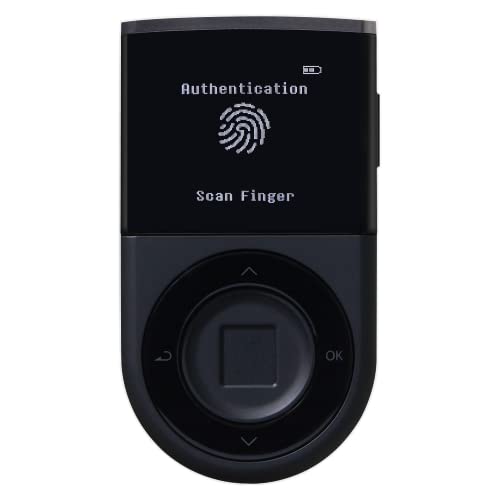
D'CENT Hardware Wallet | Biometric Cold Storage, Bluetooth, Multi-Crypto
- Secure Element with Fingerprint: EAL5+ certified chip with biometric protection
- Supports 4,900+ Assets: Compatible with over 100 blockchains and NFTs
- Bluetooth Mobile Management: Tap-to-sign via D'CENT app for easy control
As an affiliate, we earn on qualifying purchases.
As an affiliate, we earn on qualifying purchases.

TANGEM Crypto Wallet Pack of 3 – Trusted Cold Storage Hardware Wallet
- Proven Security: 9+ years, military-grade EAL6+ security
- Easy Blockchain Access: Manage 90 blockchains with one tap
- Wide Cryptocurrency Support: Access 14,100+ coins, tokens, NFTs
As an affiliate, we earn on qualifying purchases.
As an affiliate, we earn on qualifying purchases.