
You’ll face challenges with scalability and user experience when using Dapps. Issues like network congestion and limited transaction speeds slow down performance. Fragmentation across different blockchains and tools makes navigation complex. Interoperability gaps prevent seamless asset transfers and coordinated interactions. Security vulnerabilities and trust concerns also hinder adoption. These obstacles limit how useful and accessible Dapps can be. If you want to understand how these issues can be overcome, keep exploring the solutions further.
Key Takeaways
- Scalability issues limit Dapps’ ability to handle increasing user demand efficiently.
- Interoperability challenges hinder seamless cross-chain communication and data sharing.
- Fragmented platforms and interfaces complicate user navigation and reduce overall accessibility.
- Security vulnerabilities in smart contracts and bridges threaten user assets and trust.
- Complex user experiences and technical limitations slow adoption and widespread use of Dapps.

Decentralized applications (Dapps) are transforming how we interact with technology, but they face significant hurdles that hinder widespread adoption. One of the biggest challenges is interoperability issues. Unlike traditional apps, which run on centralized platforms, Dapps often operate on different blockchain networks that don’t easily communicate with each other. This fragmentation limits their functionality and user reach, forcing you to steer through multiple platforms, wallets, and interfaces. If you want to transfer assets or data across chains, you might encounter complex bridges or rely on third-party solutions that aren’t always reliable. This lack of seamless interoperability prevents Dapps from reaching their full potential and complicates your user experience. Creativity in developing solutions for these issues can help foster more problem-solving approaches that enhance user engagement.
Interoperability issues hinder Dapp functionality and complicate your user experience across diverse blockchain networks.
Security concerns also loom large. Because Dapps rely on blockchain technology, they are inherently transparent and tamper-resistant, but that doesn’t mean they’re immune to risks. Smart contracts, which power Dapps, are code-based and can contain vulnerabilities that hackers might exploit. If a smart contract has bugs or security flaws, your assets and data could be at serious risk. Additionally, many Dapps depend on third-party oracles and bridges to connect with external data sources or other blockchains. These integrations introduce additional attack vectors, making the entire system more vulnerable. As a user, you need to be cautious because security breaches can lead to significant financial losses or data leaks.
The challenge of ensuring security also ties into user trust. If a Dapp’s security isn’t transparent or robust enough, you might hesitate to use it or invest your assets. Developers need to prioritize thorough testing, audits, and ongoing security measures, but the complexity of decentralized systems makes this harder. Meanwhile, interoperability issues compound the problem. When different Dapps and blockchain networks don’t cooperate smoothly, it can create gaps in security and functionality, frustrating you and reducing confidence in decentralized solutions.
In essence, these issues—interoperability and security—are interlinked obstacles that slow down Dapps’ growth. Overcoming them requires coordinated efforts from developers, security experts, and blockchain communities. Until interoperability becomes more standardized and security measures more rigorous, you’ll likely face these hurdles regularly. If these challenges are addressed effectively, Dapps will become more user-friendly, reliable, and integrated into everyday digital life. But for now, these persistent issues mean that widespread adoption remains a distant goal, and you might find yourself steering a complex, sometimes risky, decentralized landscape.
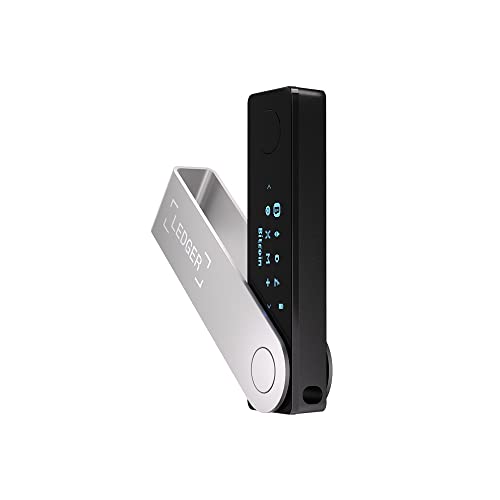
Ledger Nano X Crypto Wallet Signer – Securely Manage All Your Crypto Assets with This Bluetooth Enabled Classic – Onyx Black
Effortlessly build your crypto portfolio via the all in one Ledger Wallet app: buy, sell, send, receive, swap,…
As an affiliate, we earn on qualifying purchases.
As an affiliate, we earn on qualifying purchases.
Frequently Asked Questions
How Do Dapps Handle Data Privacy Concerns?
You handle data privacy in dapps by implementing data encryption to protect your sensitive information and using robust privacy protocols to guarantee your data remains secure. These measures prevent unauthorized access and keep your data confidential. By choosing dapps with strong privacy features, you gain control over your personal info and enjoy a safer, more private experience while interacting with decentralized applications.
What Are the Costs Associated With Deploying Dapps?
You might think deploying a dapp is costly, but understanding the expenses helps you plan effectively. Deployment costs include smart contract creation, which can vary based on complexity, and transaction fees on the blockchain. Infrastructure expenses, like hosting decentralized nodes or cloud services, also add up. While these costs can seem high initially, they’re essential investments to guarantee your dapp runs smoothly, securely, and scales with user demand.
How Do Dapps Ensure Security Against Hacking?
You can guarantee Dapp security by thoroughly auditing smart contract vulnerabilities and employing best coding practices. Implement decentralized identity solutions to strengthen user authentication and reduce hacking risks. Regularly update and patch your code, and use formal verification tools to detect potential flaws. Educate users about security measures, and consider multi-signature wallets for added protection. These steps help safeguard your Dapp against hacking attempts effectively.
Can Dapps Integrate With Traditional Apps Seamlessly?
Sure, you can integrate DApps with traditional apps, but don’t expect a smooth ride. Interoperability challenges are real, making seamless connection tricky. You’ll spend more time on user onboarding than actually using the combined system. While technically possible, it’s like fitting a square peg into a round hole—frustrating, but not impossible. Prepare for some bumps along the way, and maybe a few laughs at the complexity.
What Are Future Innovations Expected to Improve Dapp Scalability?
You can expect future innovations like Layer 2 solutions and sharding techniques to boost dapp scalability. Layer 2 solutions, such as rollups, handle transactions off-chain for faster processing, while sharding divides the network into smaller parts, increasing capacity. These advancements will make your dapps more efficient, reduce costs, and improve user experience, paving the way for smoother, more scalable decentralized applications.

Audit Techniques & Tools: Maximizing Effectiveness and Efficiency
As an affiliate, we earn on qualifying purchases.
As an affiliate, we earn on qualifying purchases.
Conclusion
As you navigate the world of Dapps, remember that scalability and user experience are key hurdles. Did you know that over 60% of users abandon Dapps due to slow performance and complex interfaces? Addressing these issues isn’t just technical—it’s essential for broader adoption. By focusing on improving speed and usability, you can help shape a more seamless decentralized future. Keep pushing for solutions, because overcoming these challenges will release Dapps’ true potential.

The Chain Architect: Cross-Chain Development, Bridge Protocols, and Multi-Blockchain System Design
As an affiliate, we earn on qualifying purchases.
As an affiliate, we earn on qualifying purchases.
decentralized app development toolkit
As an affiliate, we earn on qualifying purchases.
As an affiliate, we earn on qualifying purchases.