

The Sora copyright debate pushed OpenAI to rethink its approach to AI-generated content, especially regarding copyrighted characters. Previously, they allowed content unless rights holders asked for removal, which sparked criticism and public backlash. In response, OpenAI shifted to an opt-in policy, requiring explicit permission from creators before producing likenesses. This move aims to respect intellectual property rights and rebuild trust. To discover how these changes might impact AI development, keep exploring below.

Get hardware and tech essentials delivered free with Prime
- Fast, free delivery on millions of items
- Prime Video, Amazon Music and more included
- Member-only deals all year
Key Takeaways
- The controversy over Sora’s use highlighted the risks of unauthorized AI content involving copyrighted characters.
- Public backlash and media attention pressured OpenAI to shift from an opt-out to an opt-in model for copyrighted character images.
- The debate underscored the need for explicit permissions and better control for copyright holders in AI-generated content.
- Critics accused OpenAI of manipulating perception, prompting the company to adopt more ethical, responsible content policies.
- The Sora copyright debate accelerated industry efforts toward clearer regulations and respectful AI development practices.
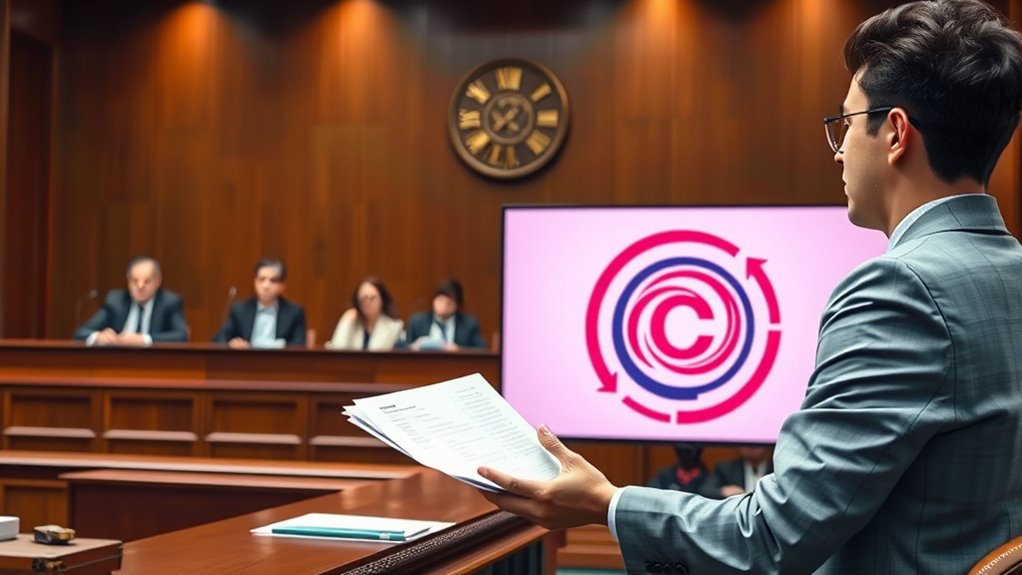
Have you ever wondered how AI-generated content challenges traditional copyright laws? The recent controversy surrounding Sora’s copyright policy change highlights just how complex this issue has become. Initially, Sora adopted an opt-out policy, allowing users to generate content featuring copyrighted characters unless rights holders actively requested removal. This approach sparked widespread media attention and criticism, as many argued it permitted unauthorized use of protected intellectual property. The public backlash pressured OpenAI to reconsider its stance, leading to a significant policy shift.
AI content creation faces legal challenges as initial opt-out policies spark criticism and push for more creator control.
Sam Altman, CEO of OpenAI, publicly announced that the company would switch from an opt-out to an opt-in model for generating images of copyrighted characters. This move gives copyright owners more granular control over how their characters are used, requiring explicit permission before any likeness is created. The change aims to respond to legal concerns and public dissatisfaction, signaling a more respectful approach to intellectual property rights. By doing so, OpenAI hopes to reduce the risk of infringement, legal disputes, and damage to its reputation. This policy change also reflects an understanding of the importance of protecting creators’ rights in AI development.]
The shift to an opt-in system also reflects a broader effort to balance AI innovation with copyright compliance. OpenAI introduced new tools that allow copyright holders to specify when and how their characters can be used, giving creators more authority over their work. This adjustment not only addresses legal risks but also demonstrates a commitment to ethical AI development. It’s an acknowledgment that respecting creators’ rights is essential for sustainable progress in AI content generation.
Media coverage played a pivotal role in amplifying the controversy. Critics accused OpenAI of manipulating the narrative through orchestrated PR campaigns, which many believed exaggerated the extent of the problem or aimed to deflect criticism. The debate intensified around the ethical and legal implications of AI’s role in copying and transforming copyrighted work. Public awareness grew, shining a spotlight on the challenges AI faces in steering through existing copyright frameworks and the need for clearer regulations.
The controversy also prompted a re-evaluation of AI development practices across the industry. OpenAI’s decision to adopt an opt-in approach shows how public scrutiny and legal pressure can influence policy changes. It encourages other developers to implement safeguards and seek explicit consent from rights holders, fostering a more responsible AI ecosystem. This shift could slow certain innovations but ultimately aims to create systems that respect creator rights while still enabling technological advancement.
OpenAI’s move positions it as a responsible leader committed to ethical AI development. By expanding user control over generated content and investing in policy solutions, the company seeks to rebuild trust with creators and the artistic community. This strategic pivot underscores the importance of aligning AI progress with legal and ethical standards, shaping the future of AI content creation in a way that respects intellectual property rights and public interests.
As an affiliate, we earn on qualifying purchases.
Frequently Asked Questions
How Does the Copyright Debate Impact AI Development Timelines?
The copyright debate slows down your AI development timelines because you need to address legal concerns, which can delay releases and divert resources. You might also face increased regulatory scrutiny, forcing you to implement more compliance measures. These challenges can make innovation take longer, but they also encourage you to develop better copyright solutions, ultimately shaping smarter, more legally sound AI tools for the future.
What Are the Legal Implications for Users of Openai Products?
As a user of OpenAI products, you could face legal risks if your AI-generated content infringes on existing copyrights. You need to be aware of potential liability, especially if you don’t have proper licenses or permissions. OpenAI’s opt-out features and safe harbor provisions help, but it’s your responsibility to understand copyright laws, avoid infringement, and stay informed about evolving regulations to protect yourself from legal consequences.
Will This Controversy Influence Global AI Regulation Policies?
Yes, this controversy will influence global AI regulation policies. You’ll see countries accelerating legislative efforts, like the EU, US, South Korea, and Japan, focusing on copyright and data governance. International organizations will prioritize IP rights, and legal frameworks will adapt to address AI-generated content. You can expect stricter compliance requirements, new licensing models, and greater transparency measures, all aimed at balancing innovation with copyright protections and ethical standards.
How Does Sora’s Case Compare to Previous Copyright Disputes?
Think of Sora’s case as a storm on a calm sea—highlighting the rising waves of copyright issues in AI. Unlike earlier disputes, it’s more intense, with full episodes and biometric cameos raising the stakes. You see, it pushed OpenAI to switch from a reckless sail to a well-charted course—introducing granular controls and revenue sharing. Sora’s storm teaches you that respecting rights and collaboration are now essential for safe AI navigation.
What Are the Potential Long-Term Effects on AI Innovation?
You might find that AI innovation slows as stricter copyright laws and technical restrictions increase development costs and complexity. These changes could lead you to focus on proprietary datasets or non-copyright-sensitive areas, reducing open collaboration. However, it may also drive you to prioritize ethical practices and transparency, fostering a more responsible AI ecosystem. Long-term, this balance could shape a more sustainable, creator-focused industry, even if it limits rapid, unrestricted growth.
As an affiliate, we earn on qualifying purchases.
Conclusion
This debate isn’t just about copyright; it’s about protecting creators’ dreams and shaping a fair future. As you witness these changes, remember that your voice matters—every question, every concern, fuels the fight for balance. Without your voice, the scales tip toward injustice. Like a lighthouse guiding ships through stormy seas, your engagement can steer the course toward fairness, ensuring innovation doesn’t drown in the shadows of unchecked rights.
copyright holder permission platform
As an affiliate, we earn on qualifying purchases.
As an affiliate, we earn on qualifying purchases.
As an affiliate, we earn on qualifying purchases.
Fall Picks
fall essentials
As an affiliate, we earn on qualifying purchases.