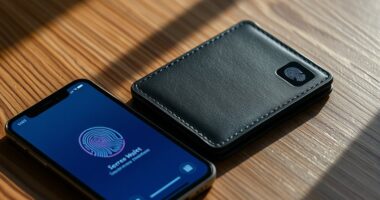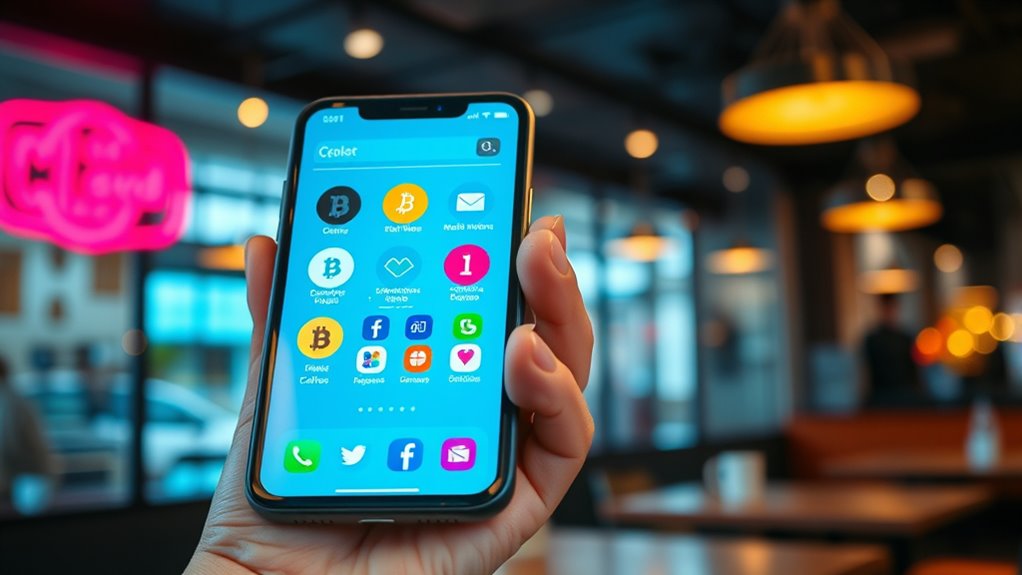

Digital wallets let you store and manage both digital currencies and payment info securely, making online and in-store transactions quick and easy. They connect to your bank accounts or credit cards and use security features like encryption, biometric verification, and tokenization to protect your data. Whether you’re using mobile payment apps or managing cryptocurrencies with hot or cold wallets, understanding these tools helps you stay safe. Keep exploring to learn how to maximize your digital wallet security and benefits.
Key Takeaways
- Digital wallets securely store payment info and digital currencies, enabling online and in-store transactions through mobile apps or hardware devices.
- Mobile payment apps offer contactless payments, biometric security, and seamless bank or card integration for quick transactions.
- Cryptocurrency wallets are categorized as hot (online) or cold (offline), with security measures like private key protection and hardware storage.
- Encryption, tokenization, and biometric verification are key security features that protect digital wallet transactions from theft and fraud.
- Proper management and awareness of security practices ensure safe usage of both traditional digital wallets and cryptocurrency storage solutions.
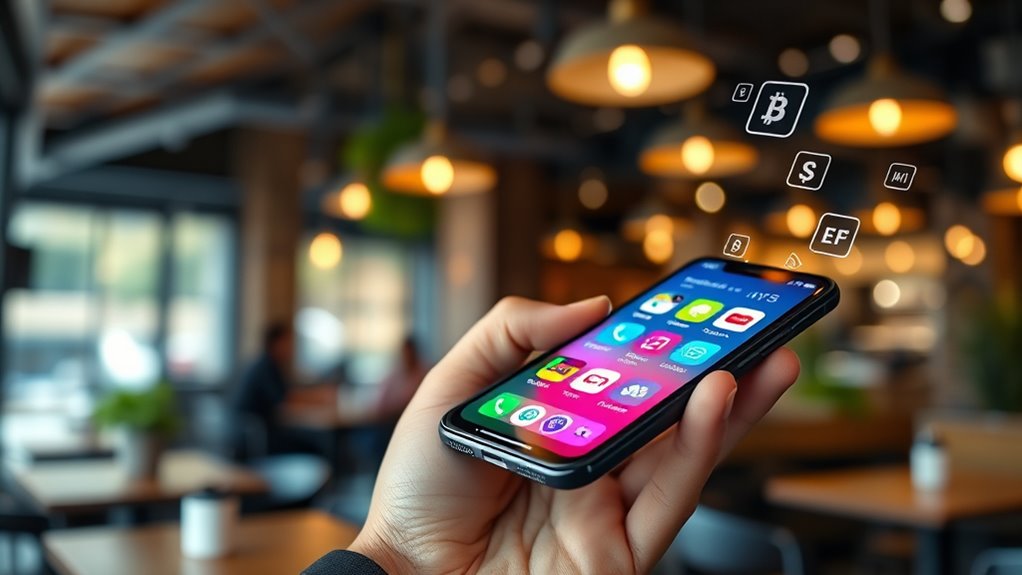
Digital wallets have revolutionized the way you handle money by allowing you to store and access your payment information electronically. Whether you’re making purchases online or in-store, these wallets simplify transactions by keeping your payment details secure and readily available. With the rise of mobile payment apps, you no longer need physical cards or cash; instead, you just tap your phone or smartwatch to pay. These apps use encryption and tokenization to protect your data, making transactions more secure than traditional methods. When it comes to cryptocurrency security, digital wallets play a pivotal role. They enable you to store your digital currencies safely, often offering features like two-factor authentication and private keys that keep your assets out of reach from hackers. Choosing the right wallet—whether for crypto or regular payments—is essential to maintaining security and peace of mind.
Mobile payment apps have become a staple in everyday life, streamlining the checkout process so you can pay swiftly without fumbling for cash or cards. They connect with your bank accounts or credit cards seamlessly, allowing you to fund transactions instantly. Many apps also incorporate advanced security measures, such as biometric verification, which adds an extra layer of protection. This means you can authorize payments through fingerprint or facial recognition, reducing the risk of unauthorized access. As you use these apps more frequently, it’s important to stay vigilant about security. Regularly updating your app and device software helps patch vulnerabilities, and being cautious about sharing personal details minimizes potential threats. Even with robust security protocols, it’s wise to enable notifications for suspicious activity, so you’re immediately alerted to any unauthorized attempts. Additionally, understanding digital wallet security features can help you better protect your assets and prevent theft.
When it comes to cryptocurrency security, digital wallets are essential. They come in two main types: hot wallets, which are connected to the internet and offer convenience, and cold wallets, which are offline and provide higher security for long-term storage. You need to choose a wallet that matches your comfort level with risk and how often you plan to access your digital assets. Properly securing your private keys—either by keeping them offline or using hardware wallets—ensures that no one else can access your crypto holdings. This is especially important because digital currencies operate on decentralized networks, meaning there’s no bank or third party to recover lost funds.
In essence, digital wallets, whether used for everyday mobile payments or cryptocurrency storage, offer a secure, efficient way to manage your money. Staying informed about the latest security features and best practices ensures you can enjoy the convenience without compromising your financial safety.
Frequently Asked Questions
Are Digital Wallets Legally Protected Against Fraud?
Yes, digital wallets have legal safeguards and fraud prevention measures to protect you. Laws vary by country, but most providers implement security protocols like encryption and two-factor authentication. These features help prevent unauthorized access and fraudulent activities. While no system is foolproof, your digital wallet is generally protected by legal safeguards that hold providers accountable, giving you some peace of mind against potential fraud.
How Do Digital Wallets Manage Multiple Currencies?
Think of your digital wallet as a bustling currency exchange booth. It manages multiple currencies seamlessly through multi currency support, allowing you to switch between them effortlessly. When you make a transaction, it performs currency conversion instantly, ensuring you’re always using the right funds. This smooth juggling act helps you travel or shop internationally without missing a beat, keeping your financial world colorful and connected.
Can Digital Wallets Be Hacked or Compromised?
Yes, digital wallets can be hacked or compromised due to security vulnerabilities. However, you can strengthen hacking prevention by using strong, unique passwords, enabling two-factor authentication, and keeping your app and device updated. Be cautious with public Wi-Fi and avoid sharing sensitive information. While no system is completely invulnerable, following these security best practices substantially reduces your risk of falling victim to cyber threats.
What Are the Environmental Impacts of Digital Wallet Technology?
Digital wallets have environmental impacts mainly due to their energy consumption, especially with blockchain-based systems. You can support sustainable practices by choosing providers that use energy-efficient technology and renewable energy sources. While digital wallets reduce paper waste and physical resource use, their data centers and blockchain networks still contribute to carbon footprints. Being mindful of these factors helps you minimize environmental impact and promotes greener digital payment solutions.
How Do Digital Wallets Integrate With Traditional Banking Systems?
You might think digital wallets are separate from traditional banks, but they actually integrate seamlessly. They use cryptography protocols to secure your data and user authentication to verify your identity, making transactions smooth and safe. Ironically, while you’re enjoying quick payments, behind the scenes, your wallet communicates with banking systems, blending old-school banking with cutting-edge tech. So, in a way, your digital wallet is the bridge to your financial past and future.
Conclusion
Digital wallets are like your digital purse, making money management simple and secure. Whether you’re using crypto or mobile payments, they keep your financial life organized and accessible at your fingertips. As you explore these tools, remember they’re your trusted sidekick in the digital economy, just like a reliable wallet in your pocket. Embrace the convenience and security they offer—your financial future is just a tap away, ready to unfold smoothly like a well-worn path.